
The threat posed by quantum computers to Bitcoin may be more about social coordination than technical vulnerability, according to Zach Pandl. While Google’s March 30 report suggested that a quantum computer could potentially break Bitcoin’s cryptography with fewer resources than previously expected, Pandl emphasized that Bitcoin’s technical design reduces its risk. The UTXO model, proof-of-work consensus, absence of native smart contracts, and certain address types make it less exposed than other cryptocurrencies.
Managing Dormant and Vulnerable Coins
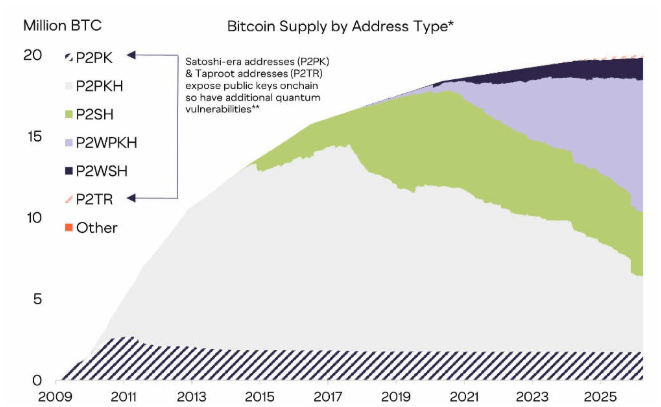
Approximately 1.7 million BTC, including an estimated 1 million held by Satoshi, are locked in early P2PK addresses. The Bitcoin community faces three options: burn these coins, slow their release, or take no action. Pandl noted that “all are conceptually doable,” but reaching consensus is difficult given Bitcoin’s history of contentious protocol debates, including the 2023 dispute over blockspace usage for Bitcoin Ordinals.
Preparing for a Post-Quantum Future
Pandl stressed it is “time to get started” on adopting post-quantum cryptography, citing initiatives by Solana, the XRP Ledger, and the Ethereum Foundation. For now, he reassured investors that no immediate security threat exists, but preparation is crucial for the long-term security of Bitcoin and other blockchains.
Disclaimer
This content is for informational purposes only and does not constitute financial, investment, or legal advice. Cryptocurrency trading involves risk and may result in financial loss.
Leave a Reply