
Geopolitical tensions tied to the Iran conflict are reshaping global trade finance, with some commodity traders in Europe reportedly losing access to traditional banking services. According to Luke Sully, CEO of trade finance firm Haycen, several traders have been “debanked” as Western banks tighten compliance controls over fears of indirect exposure to sanctioned Iranian entities.
The issue centers on counterparty risk, particularly transactions involving regional hubs such as Oman, where links to sanctioned flows may be difficult to detect. Rather than face regulatory consequences, banks are stepping back from servicing certain commodity transactions, leaving traders to seek alternative payment channels.
Stablecoin Adoption Expands Across Global Trade Finance
Stablecoins, particularly USDT, are increasingly filling the gap created by reduced banking access. Their speed, global liquidity, and ability to bypass traditional correspondent banking systems make them attractive for cross-border trade settlement.
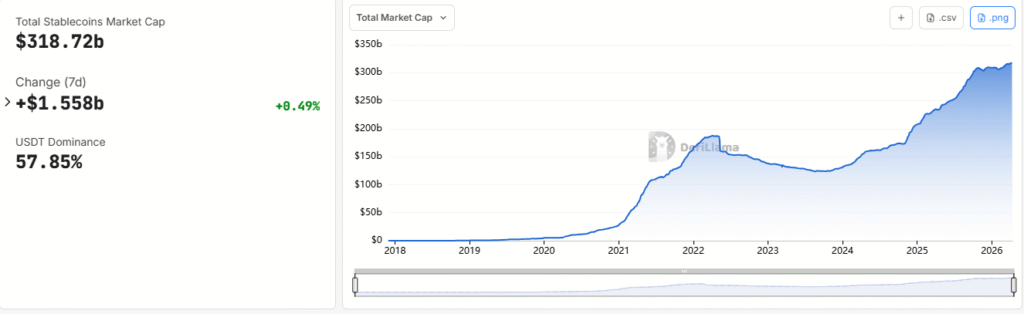
The broader trade finance sector, valued at roughly $2 trillion, already relies heavily on non-bank lenders such as private credit funds that finance shipments ranging from helium exports to industrial minerals. Stablecoin usage has surged alongside this shift, with total market capitalization exceeding $300 billion in 2025 and transaction volumes surpassing $4 trillion, accounting for nearly 30% of on chain activity.
Haycen aims to position its USDhn stablecoin as a dedicated liquidity and settlement layer for institutional trade finance participants worldwide.
Disclaimer
This content is for informational purposes only and does not constitute financial, investment, or legal advice. Cryptocurrency trading involves risk and may result in financial loss.
Leave a Reply