Category: News

  • Crypto Hack Losses Hit $52 Million in March, Led by Resolv Labs Exploit

    Crypto Hack Losses Hit $52 Million in March, Led by Resolv Labs Exploit

    Losses from crypto hacks and exploits reached $52 million across 20 major incidents in March 2026, according to blockchain security firm PeckShield. The figure represents a 96% increase compared with $26.5 million in February, highlighting a sharp rise in security threats across the digital asset sector.

    Resolv Labs Attack Drives Major Stablecoin Losses

    A significant portion of March’s losses came from an exploit targeting Resolv Labs, which resulted in the theft of more than $25 million worth of USR stablecoins. Attackers exploited a flaw in the USR minting contract, creating nearly 80 million unbacked stablecoins.

    Resolv issued a 72-hour ultimatum demanding the return of 90% of stolen funds, but the assets were not recovered. PeckShield warned that the real damage included “shadow contagion,” where secondary losses spread across linked DeFi platforms. The 80% crash in USR value created systemic bad debt across Morpho Blue, Euler, and Fluid protocols.

    Violent Crypto Theft and Ongoing Security Risks

    Another major case involved X user Sillytuna, who reported losing roughly $24 million in Aave Ethereum USDC (aEthUSDC) during a violent attack involving kidnapping and threats. The stolen assets were later moved across Bitcoin, Monero, and Layer 2 networks to hide their origin.

    Security incidents continue to impact the industry, with Balancer recently announcing the closure of Balancer Labs following a $128 million exploit in November 2025.

    Disclaimer

    This content is for informational purposes only and does not constitute financial, investment, or legal advice. Cryptocurrency trading involves risk and may result in financial loss.


  • STRC Maintains Dividend at 11.5% After Seven Consecutive Increases

    STRC Maintains Dividend at 11.5% After Seven Consecutive Increases

    STRC, the perpetual preferred stock from Strategy, has held its 11.5% dividend for April, marking the first time since its July 2025 launch that the dividend has not increased. The move comes after seven consecutive dividend raises, supported by a 30-day volume weighted average price (VWAP) stabilizing near $100.

    STRC Dividend and Market Position

    STRC debuted with a 9% dividend and has positioned itself as a short-duration, high-yield savings alternative, offering monthly cash distributions. The dividend rate is adjusted monthly to support trading near par and minimize price volatility. In April, STRC maintained stability, trading close to $100 and allowing the company to manage its Bitcoin holdings effectively, including an estimated purchase of over 1,000 BTC.

    SATA Reaches $100 Par Value

    Strive’s SATA preferred stock reached $100 par for the first time, enabling ATM issuance to fund additional bitcoin acquisitions. SATA currently offers a 12.7% dividend, highlighting the company’s continued strategy of leveraging perpetual preferred products to expand digital asset holdings.

    Disclaimer

    This content is for informational purposes only and does not constitute financial, investment, or legal advice. Cryptocurrency trading involves risk and may result in financial loss.
  • Jack Dorsey Outlines AI-Driven Workplace Vision After Block’s 40% Staff Reduction

    Jack Dorsey Outlines AI-Driven Workplace Vision After Block’s 40% Staff Reduction

    Weeks after Block cut approximately 4,000 employees, co-founder Jack Dorsey shared a vision for an AI integrated workplace. In a blog post with Block’s lead independent director, Roelof Botha, they outlined a future where artificial intelligence could take on middle management responsibilities.

    Dorsey and Botha explained that AI can track projects, identify issues, assign work, and share critical information faster than humans, allowing companies to operate as “an intelligence” rather than a traditional hierarchy. They emphasized that most companies using AI today simply give employees copilots to improve existing structures, while Block aims to replace what the hierarchy does entirely.

    Human Roles in AI Workflows

    Despite AI integration, human involvement remains critical. Employees would assume three roles: individual contributors, directly responsible individuals who solve specific problems, and player-coaches who mentor others while continuing technical work.

    Efficiency Over Hierarchy

    Dorsey and Botha highlighted that traditional hierarchies slow information flow. In a remote-first environment, AI can maintain a real-time overview of products, resources, and bottlenecks, enabling faster decision-making than human managers alone. They concluded that this AI-driven model could reshape how companies operate in the coming years.

    Disclaimer

    This content is for informational purposes only and does not constitute financial, investment, or legal advice. Cryptocurrency trading involves risk and may result in financial loss.

  • Trump Considers US Exit From NATO After Iran War Dispute

    Trump Considers US Exit From NATO After Iran War Dispute

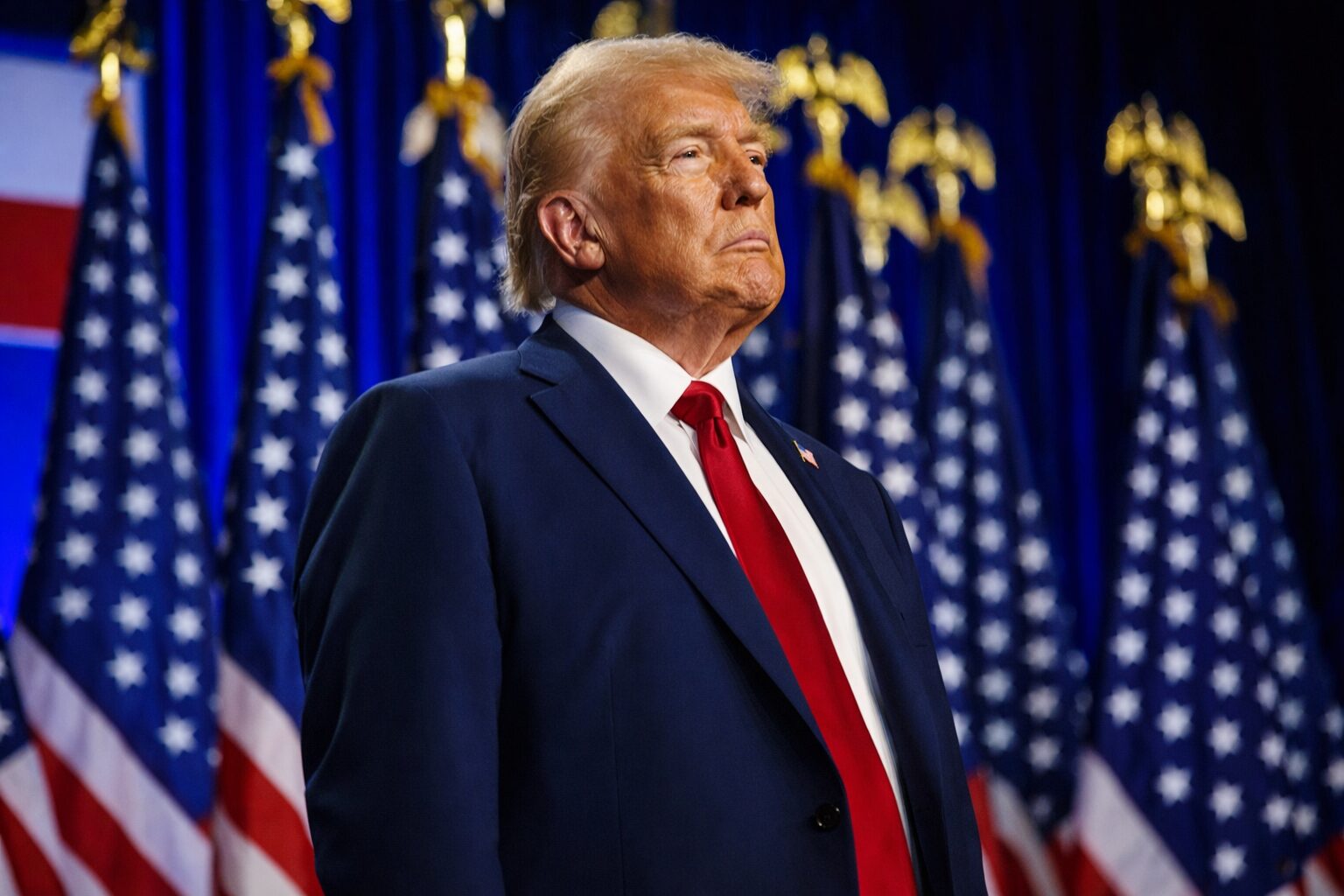
    US President Donald Trump said he is strongly considering withdrawing the United States from the North Atlantic Treaty Organization (NATO) after allies declined to support his military demands during the Iran conflict. He described NATO as a “paper tiger” and said leaving the alliance was now “beyond reconsideration,” signaling growing frustration with European partners.

    Strait of Hormuz Crisis and Alliance Tensions

    The dispute followed NATO partners’ refusal to send warships to reopen the Strait of Hormuz, through which about 20% of global oil normally travels. Iran has effectively closed the route for weeks, pushing oil and gas prices higher and raising fears of a global recession. Trump argued the United States had supported allies in previous conflicts, including involvement connected to Ukraine, but claimed allies failed to respond when asked.

    Criticism of UK and Calls to Re-examine NATO Role

    Trump criticized UK Prime Minister Keir Starmer, questioning Britain’s naval strength and defense priorities. Secretary of State Marco Rubio described NATO as a “one-way street” and said the United States would need to re-examine its membership once the Iran conflict ends.

    https://cms.blockto.io/trump-urges-nations-to-seize-oil-from-strait-of-hormuz-amid-iran-conflict/

    Funding Pressure, Article 5 Debate and Future Plans

    Trump is also considering a NATO restructuring that could punish members failing to meet funding commitments and introduce a “pay-to-play” model affecting decision-making. Reports suggest he may withdraw US troops from Germany, while debate has intensified over Article 5, NATO’s mutual defense clause invoked only once after the 9/11 attacks, when more than 1,100 non-US troops, including 457 British soldiers, died in Afghanistan.

    Trump is expected to deliver a national address outlining the war’s progress, stating the conflict could end within two to three weeks with the aim of preventing Iran from obtaining nuclear weapons.

    Disclaimer

    This content is for informational purposes only and does not constitute financial, investment, or legal advice. Cryptocurrency trading involves risk and may result in financial loss.
  • Australia Introduces Comprehensive Crypto Regulation Requiring Financial Licenses

    Australia Introduces Comprehensive Crypto Regulation Requiring Financial Licenses

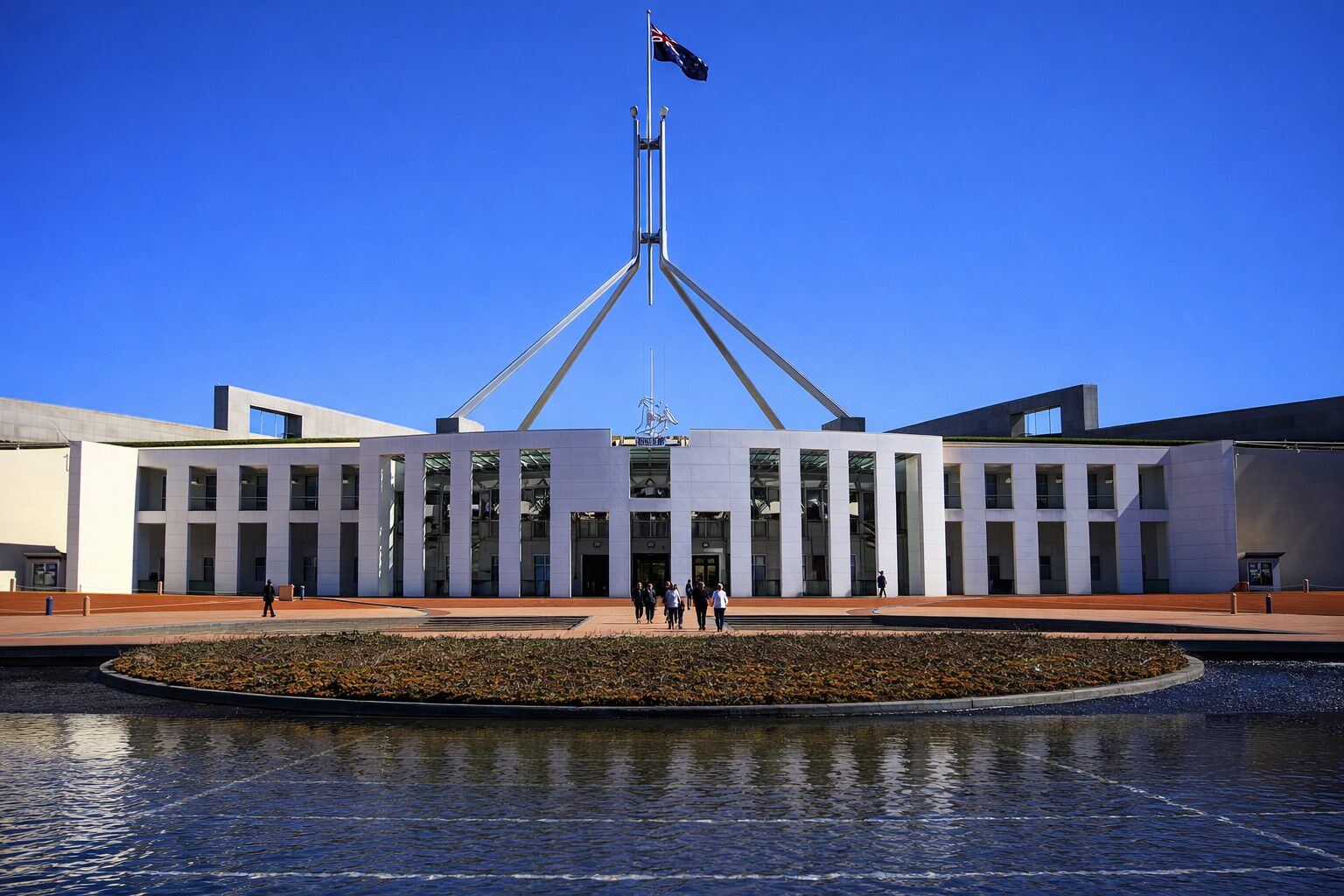
    Australia has enacted its first comprehensive digital-asset law, mandating crypto exchanges and custody providers to obtain Australian Financial Services Licenses (AFSL). The Corporations Amendment (Digital Assets Framework) Bill 2025 passed both houses on April 1, 2026, bringing digital asset operators under the same core rules as brokers and fund managers.

    New Regulated Categories for Digital Assets

    The legislation introduces two regulated categories: digital asset platforms, which hold crypto for users, and tokenized custody platforms, which manage real-world assets and issue corresponding digital tokens. Operators of both categories must comply with AFSL requirements, including safeguarding client assets, standardized disclosures, dispute resolution, and avoiding misleading conduct.

    Focus on Risk Reduction and Market Growth

    The law targets intermediaries controlling customer funds to mitigate risks such as asset commingling, insolvency, and misuse, which have caused losses in previous crypto failures. According to research from the Digital Finance Cooperative Research Center, Australia could generate up to A$24 billion annually from tokenized markets, payments, and digital assets, roughly 1% of GDP, compared to the previous projection of A$1 billion by 2030.

    Kraken described the law as a “top-down signal” of Australia’s commitment to digital assets, while Kate Cooper, CEO of OKX Australia, called it a pivotal moment for institutional participation and long-term capital allocation.

    Disclaimer

    This content is for informational purposes only and does not constitute financial, investment, or legal advice. Cryptocurrency trading involves risk and may result in financial loss.

  • Quantum-Resistant Tokens Surge as Google Highlights Potential Bitcoin Vulnerabilities

    Quantum-Resistant Tokens Surge as Google Highlights Potential Bitcoin Vulnerabilities

    Google’s recent research indicates that Bitcoin’s elliptic-curve cryptography could theoretically be broken with fewer than 500,000 quantum qubits, far lower than previous estimates. While such machines do not yet exist, the announcement has prompted traders to reconsider long-term technological risks in the crypto market.

    Market Reaction and Token Performance

    Several quantum resistant or quantum-aware cryptocurrencies have seen notable gains over the past 24 hours. Quantum Resistant Ledger (QRL) surged 50%, Cellframe (CEL) rose 40%, and tokens like Abelian (ABEL) increased 25%, while Qubic (QUBIC) and QANplatform (QANX) gained around 10% each. Even privacy-focused Zcash (ZEC) added nearly 7%, reflecting market interest in post-quantum security features, though it is not fully quantum-resistant yet.

    The market capitalization of this category, which includes 20 coins, rose 8% to $4.66 billion, indicating growing attention to “future-proof” digital assets. Analysts note that traders are pricing in potential risks well ahead of actual quantum threats.

    Long-Term Implications for Bitcoin and Blockchain

    While Bitcoin and Ether have seen only modest moves, Google’s study highlights a theoretical risk: a sufficiently advanced quantum computer could attack Bitcoin in under nine minutes, potentially endangering billions in assets across the ecosystem, including DeFi and tokenized holdings.

    Experts, including Charles Edwards, founder of Capriole Investments, have suggested that quantum concerns influenced Bitcoin’s performance in late 2025, contributing to its slide from $126,000 to $80,000, while quantum-aware tokens like ZEC rallied sharply during the same period.

    The development underscores growing investor appetite for cryptocurrencies that emphasize post-quantum cryptographic resilience and research into long-term security solutions.

    Disclaimer

    This content is for informational purposes only and does not constitute financial, investment, or legal advice. Cryptocurrency trading involves risk and may result in financial loss.
  • Federal Reserve’s Michael Barr Urges Strong Stablecoin Oversight Amid Regulatory Debate

    Federal Reserve’s Michael Barr Urges Strong Stablecoin Oversight Amid Regulatory Debate

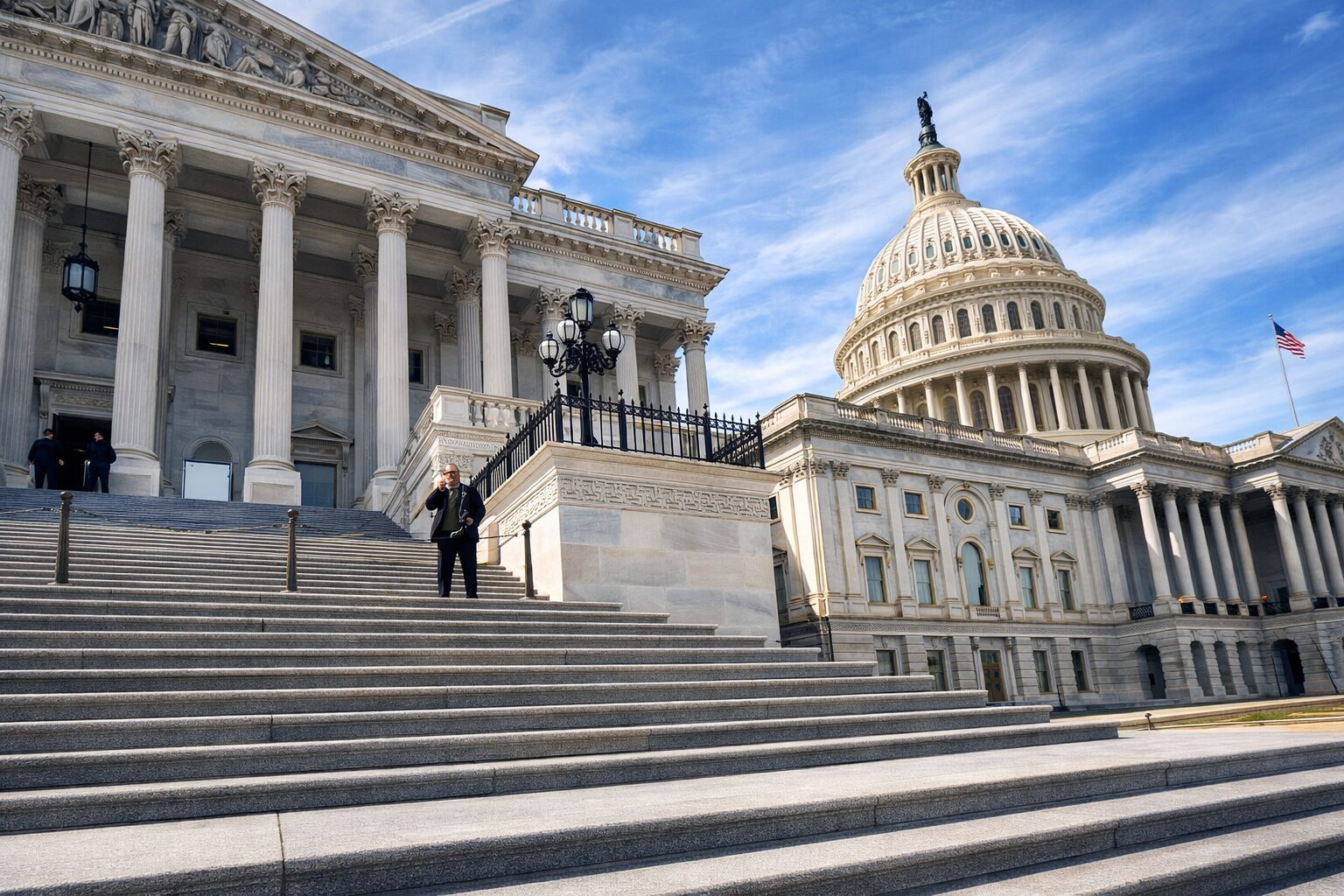
    Federal Reserve Governor Michael Barr called for robust oversight of stablecoins, recalling a “long and painful history of private money created with insufficient safeguards.” His remarks came during comments addressing the Guiding and Establishing Innovation for U.S. Stablecoins Act (GENIUS Act), legislation passed last year to create a regulatory framework for stablecoins.

    Barr acknowledged that the GENIUS Act could help accelerate stablecoin development but emphasized that strong implementation and supervision remain critical. He warned that stablecoins could contribute to financial instability if issuers and their reserve assets are not closely monitored. Barr noted that stablecoins must be capable of being reliably redeemed at par value, even during periods of market stress that may impact government debt markets or individual issuers.

    He also pointed out that stablecoin issuers may face financial incentives to maximize returns, potentially encouraging them to take on greater risk when managing reserve assets. According to Barr, the quality and liquidity of reserve holdings are essential to ensuring the long-term stability of USD-pegged tokens.

    Stablecoin Issues Continue to Delay Progress on CLARITY Act

    Barr’s comments come as disagreements over stablecoin regulation continue to delay new drafts of the CLARITY Act, another digital asset bill moving through Congress. He previously stated in October that while the GENIUS Act could reduce the risk of sudden runs, federal banking agencies and state regulators must work together to close regulatory gaps and strengthen protections for users and the broader financial system.

    Disclaimer

    This content is for informational purposes only and does not constitute financial, investment, or legal advice. Cryptocurrency trading involves risk and may result in financial loss.

  • New Hampshire Business Finance Authority to Issue $100 Million Bitcoin-Backed Bond With Ba2 Rating

    New Hampshire Business Finance Authority to Issue $100 Million Bitcoin-Backed Bond With Ba2 Rating

    The New Hampshire Business Finance Authority is planning to issue $100 million in bitcoin-backed bonds, marking a notable step in the use of digital assets within public financing structures. According to the details, the bonds will be structured into two classes with an initial total balance of $100 million, although the exact allocation between the two classes has not yet been determined.

    The bonds will be collateralized by a loan backed by bitcoin, forming the primary repayment source. While issued through a quasi-public state authority, the bonds are designed as limited recourse obligations, meaning repayment will rely only on proceeds generated from the bitcoin collateral, with no public funds eligible to cover repayment obligations.

    Moody’s Ba2 Speculative-Grade Rating and Risk Assessment

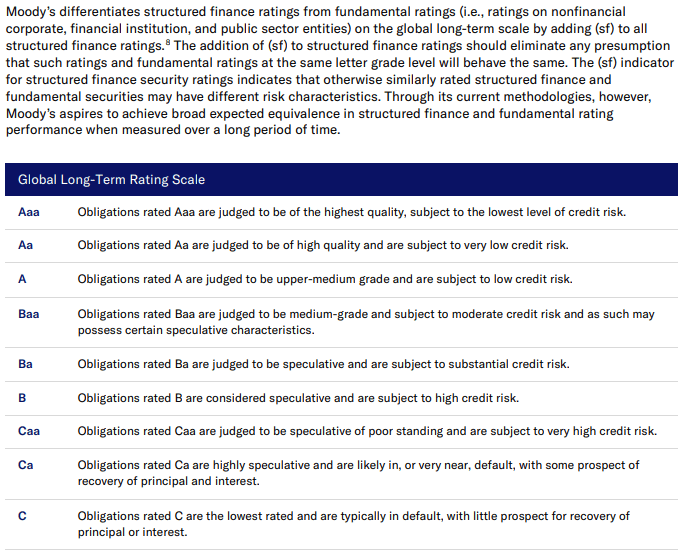
    Moody’s Investors Service has assigned a provisional Ba2 rating to the proposed bonds. This rating falls within the speculative-grade category, positioned two notches below the lowest investment-grade level, indicating that the obligations carry substantial risk and may be vulnerable to volatility.

    Moody’s stated that its assessment considered collateral risks, the transaction structure, and operational risks associated with various service providers involved in the bond arrangement.

    BitGo Custody Role and Collateral Safeguard Mechanisms

    Digital asset firm BitGo will act as both custodian and liquidation agent for the bitcoin collateral. The company will hold the assets in segregated wallets and will be responsible for liquidating bitcoin to meet interest and principal payments when required.

    The bonds will include standard protection mechanisms, including initial collateral coverage of 1.60x and a loan-to-value trigger at 1.40x, which would activate mandatory redemption if collateral values decline. The official launch timeline has not yet been disclosed.

    Disclaimer

    This content is for informational purposes only and does not constitute financial, investment, or legal advice. Cryptocurrency trading involves risk and may result in financial loss.
  • S&P Dow Jones Tokenizes US Treasuries Index on Canton Network

    S&P Dow Jones Tokenizes US Treasuries Index on Canton Network

    Tokenized iBoxx US Treasuries Index Signals Shift to Onchain Finance

    S&P Dow Jones Indices has tokenized its iBoxx US Treasuries Index on the Canton Network, marking a significant move toward blockchain-based financial infrastructure. The index, created in collaboration with Kaiko, tracks the performance of US government bonds across multiple maturities and serves as a widely used benchmark for institutional investors.

    The tokenized version is not designed as an investable product but as a digital tool that allows institutions to integrate benchmark data, including pricing and index levels, directly into blockchain systems. Access to the index remains permissioned, ensuring that usage is controlled through token-based authorization.

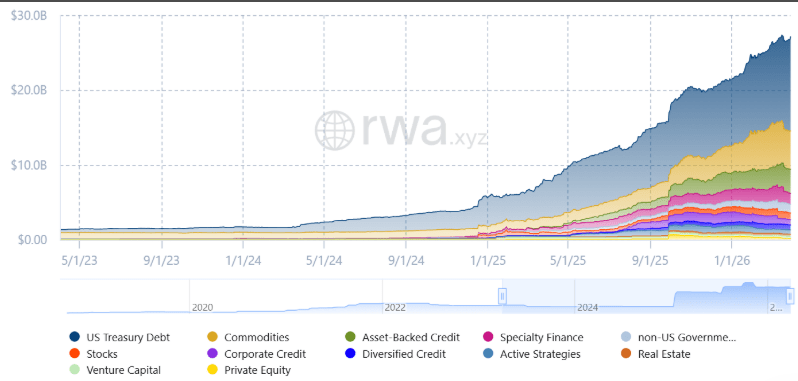
    US Treasury bonds account for the largest share of the $27 billion tokenized asset market: RWA.xyz

    US Treasurys Lead Growth in Tokenized Financial Assets

    The decision to tokenize the Treasury-based index reflects the growing importance of US government bonds in digital finance markets. US Treasury products currently represent more than $12.5 billion of tokenized assets within a market valued at about $27 billion. The Canton Network, supported by institutions including Goldman Sachs and Citadel, hosts over 600 participating institutions and validators.

    Disclaimer

    This content is for informational purposes only and does not constitute financial, investment, or legal advice. Cryptocurrency trading involves risk and may result in financial loss.