Author: tristan

  • Circle Launches USDC Bridge to Enable Native Cross-Chain Stablecoin Transfers

    Circle Launches USDC Bridge to Enable Native Cross-Chain Stablecoin Transfers

    Circle has introduced a new cross chain transfer solution called USDC Bridge, designed to provide a standardized method for moving native versions of USD Coin across multiple blockchain networks. The company described the system as a predictable and transparent way to transfer stablecoins between chains while avoiding reliance on wrapped or synthetic assets.

    USDC Bridge operates using Circle’s Cross-Chain Transfer Protocol (CCTP), enabling transfers through a 1:1 burn-and-mint process. This mechanism burns USDC tokens on the source chain and mints the same amount on the destination chain, ensuring that only native USDC versions remain in circulation. The platform also displays transfer progress and provides clear fee estimates before transactions begin.

    Supports EVM Chains With Transparent Fee Structure

    At launch, the bridge supports EVM-compatible blockchains, including networks such as Sei and Monad. While the broader CCTP system supports multiple Layer 1 and Layer 2 networks, USDC Bridge currently excludes some non-EVM chains, including Solana.

    Transaction costs vary depending on configuration, but an example test showed that moving $20 worth of USDC from Ethereum to Optimism cost approximately $0.20 in fees. Circle noted that destination gas conversion is handled automatically, simplifying the transfer process for users unfamiliar with cross-chain mechanics.

    Expansion Reflects Broader Multi-Chain Strategy

    Circle originally launched CCTP in 2023 and has since upgraded the system, including a major Version 2 update last year. The protocol now supports a wide range of networks where USDC is issued natively, including Avalanche and additional Layer 2 ecosystems such as Polygon.
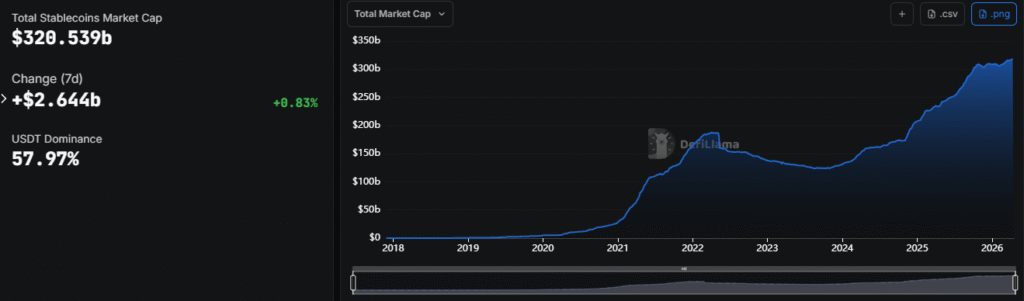
    total stablecoin supply

    USDC remains the second largest stablecoin by market capitalization, and Circle has expanded its issuance strategy across dozens of chains and applications, including platforms like Polymarket, as competition in the multi-chain stablecoin ecosystem continues to intensify.

    Disclaimer

    This content is for informational purposes only and does not constitute financial, investment, or legal advice. Cryptocurrency trading involves risk and may result in financial loss.

  • Singapore Gulf Bank Launches 24/7 Stablecoin Mint and Redemption Using Solana

    Singapore Gulf Bank Launches 24/7 Stablecoin Mint and Redemption Using Solana

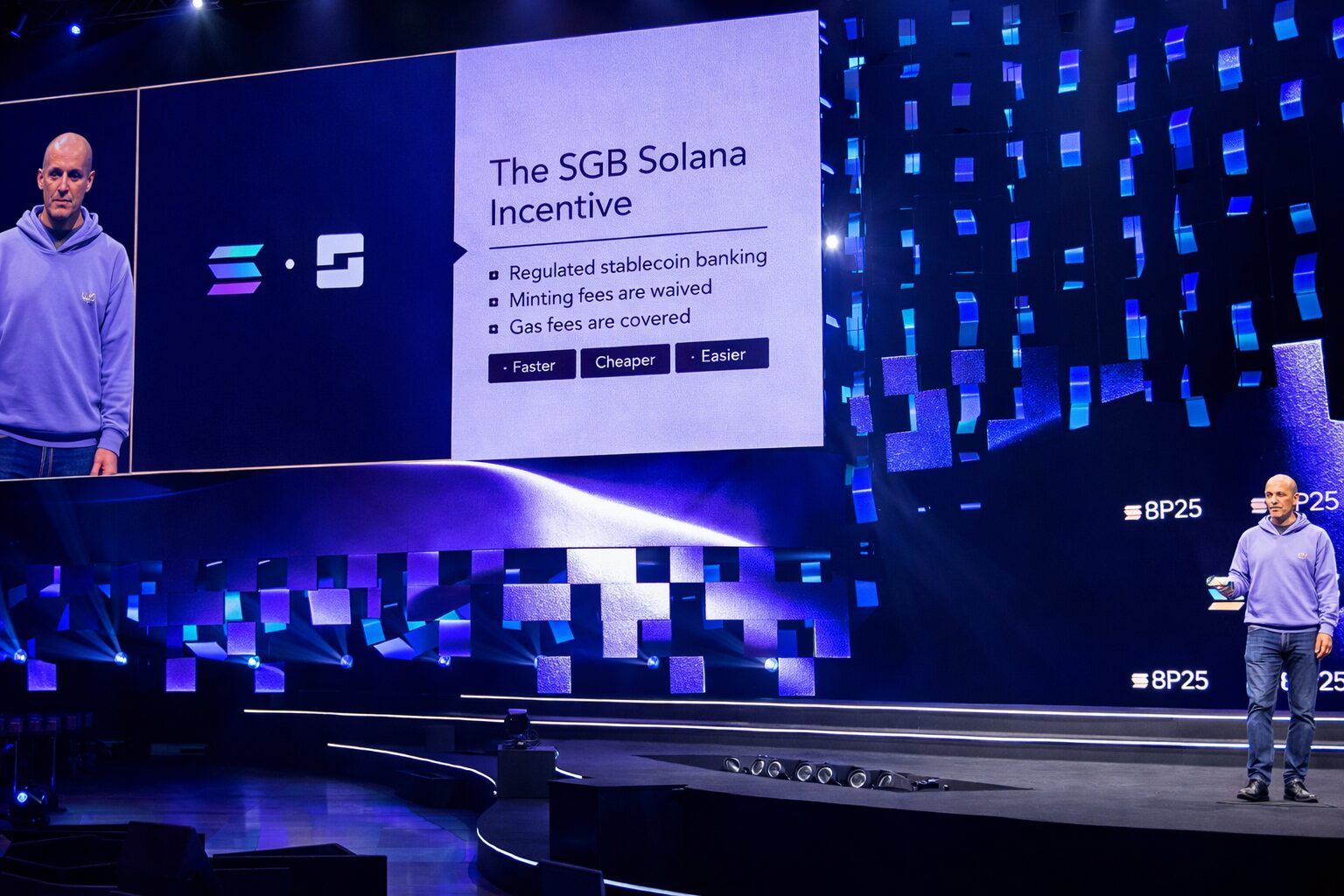
    Singapore Gulf Bank has introduced a new service allowing institutional clients to mint and redeem stablecoins directly from their bank accounts, enabling continuous settlement between fiat and digital assets. The system operates on the Solana blockchain, providing round-the-clock transaction capabilities without depending on traditional banking settlement hours.

    The service initially supports transactions involving USD Coin issued by Circle, with a minimum transfer threshold set at $100,000. The bank also announced temporary fee waivers for minting and redemption transactions conducted through the Solana network, aiming to encourage early institutional adoption.

    Additional stablecoins, including Tether, USDe and Global Dollar, are expected to be supported in future phases.

    Integration Removes Need for Intermediary Banking Networks

    According to the bank, the stablecoin minting and redemption service is integrated directly into its internal clearing infrastructure. This design allows funds to move seamlessly between onchain digital balances and traditional fiat accounts without relying on intermediary banks, reducing settlement times and operational complexity.

    The launch reflects a wider industry shift toward blockchain-based settlement systems aimed at improving speed and reducing transaction costs. Financial institutions globally are increasingly adopting stablecoin-based infrastructure as part of broader digital transformation strategies.

    Global Institutions Accelerate Stablecoin Adoption

    Major financial players are continuing to expand stablecoin-related initiatives. For example, Mastercard recently agreed to acquire stablecoin infrastructure firm BVNK in a deal valued at up to $1.8 billion, signaling growing institutional interest in blockchain settlement solutions.

    Meanwhile, Visa has begun operating validator nodes on the Tempo network, allowing participation in transaction processing and stablecoin reward mechanisms.

    total stablecoin supply

    These developments come as the global stablecoin market capitalization surpasses $320 billion, highlighting sustained growth and expanding adoption across banking, payments and cross-border financial systems.

    Disclaimer

    This content is for informational purposes only and does not constitute financial, investment, or legal advice. Cryptocurrency trading involves risk and may result in financial loss.

  • Crypto Council for Innovation Adds Digital Energy Council as First Energy-Focused Member

    Crypto Council for Innovation Adds Digital Energy Council as First Energy-Focused Member

    Energy Policy Takes Center Stage in Crypto Advocacy

    The Crypto Council for Innovation announced the addition of the Digital Energy Council as its first member dedicated specifically to digital energy policy, marking a significant step toward integrating energy considerations into cryptocurrency development strategies.

    According to the announcement, the Digital Energy Council will focus on advancing policies that promote energy development, grid resilience, U.S. competitiveness and national security. The move comes as demand for electricity continues to rise alongside the expansion of crypto mining, artificial intelligence data centers and other compute-intensive technologies that rely on stable and scalable power infrastructure.

    Shifting Government Approaches to Crypto Mining

    Energy use linked to cryptocurrency mining has been a subject of policy debate across U.S. administrations. Under former President Joe Biden, the U.S. Department of Energy conducted surveys of crypto mining companies to assess electricity consumption levels, citing concerns that rising Bitcoin prices could drive additional mining activity and increase strain on power systems. Officials warned that higher electricity demand could create operational challenges and impact consumer energy costs.

    In contrast, policies under Donald Trump have taken a more favorable stance toward digital assets, emphasizing efforts to retain cryptocurrency innovation within the United States. Recently, Republican lawmakers introduced legislation aimed at strengthening crypto mining and formalizing a strategic Bitcoin reserve initiative.

    Industry Push for Coordinated Energy Strategy

    Hunter Budd said the organization was founded on the belief that crypto mining and energy infrastructure must evolve together to support long-term grid stability. He noted that joining the Crypto Council for Innovation would provide broader collaboration opportunities and amplify policy advocacy at a global level, ensuring that energy remains a central issue in digital asset regulation discussions.

    Disclaimer

    This content is for informational purposes only and does not constitute financial, investment, or legal advice. Cryptocurrency trading involves risk and may result in financial loss.
  • France Signals Policy Shift Toward Euro Stablecoins as Digital Currency Race Heats Up

    France Signals Policy Shift Toward Euro Stablecoins as Digital Currency Race Heats Up

    French Government Supports Euro-Pegged Stablecoin Expansion

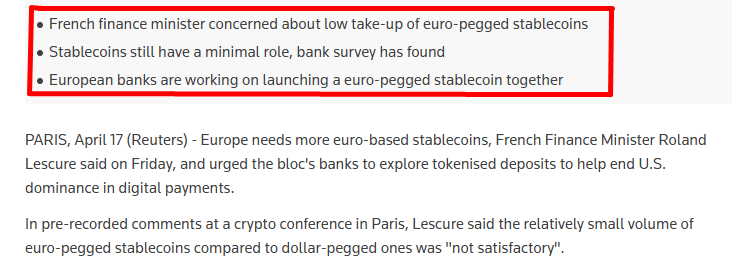
    Roland Lescure has called for stronger adoption of euro denominated stablecoins and urged European Union banks to explore tokenized deposits, marking a notable shift in France’s stance on digital assets. His remarks signal growing support within the French government and may indicate a softer regulatory approach from policymakers who previously expressed skepticism toward privately issued digital currencies.

    Lescure backed the banking consortium Qivalis, which includes major institutions such as BBVA, ING, UniCredit and BNP Paribas. The group is preparing to launch a euro-pegged stablecoin in the second half of 2026, aiming to strengthen Europe’s position in global digital payments and reduce reliance on U.S. dollar–dominated stablecoins.

    He stated that the current dominance of dollar pegged stablecoins over euro-based alternatives is “not satisfactory” and emphasized the need for European banks to accelerate innovation in tokenized financial products.

    Shift Contrasts With Earlier European Skepticism

    The new position contrasts with earlier views expressed by former French Finance Minister Bruno Le Maire, who previously argued that privately issued stablecoins posed risks to monetary sovereignty and should be restricted within Europe.

    Similarly, Bank of France Governor François Villeroy de Galhau has warned that stablecoins and tokenized private money could lead to the “privatization of money” and weaken control over monetary systems. Despite these concerns, recent statements suggest a shift toward embracing regulated euro-based digital alternatives rather than opposing them outright.

    Disclaimer

    This content is for informational purposes only and does not constitute financial, investment, or legal advice. Cryptocurrency trading involves risk and may result in financial loss.
  • Senator Blumenthal Presses DOJ and Treasury Over Binance Compliance Monitor and Iran Sanctions Concerns

    Senator Blumenthal Presses DOJ and Treasury Over Binance Compliance Monitor and Iran Sanctions Concerns

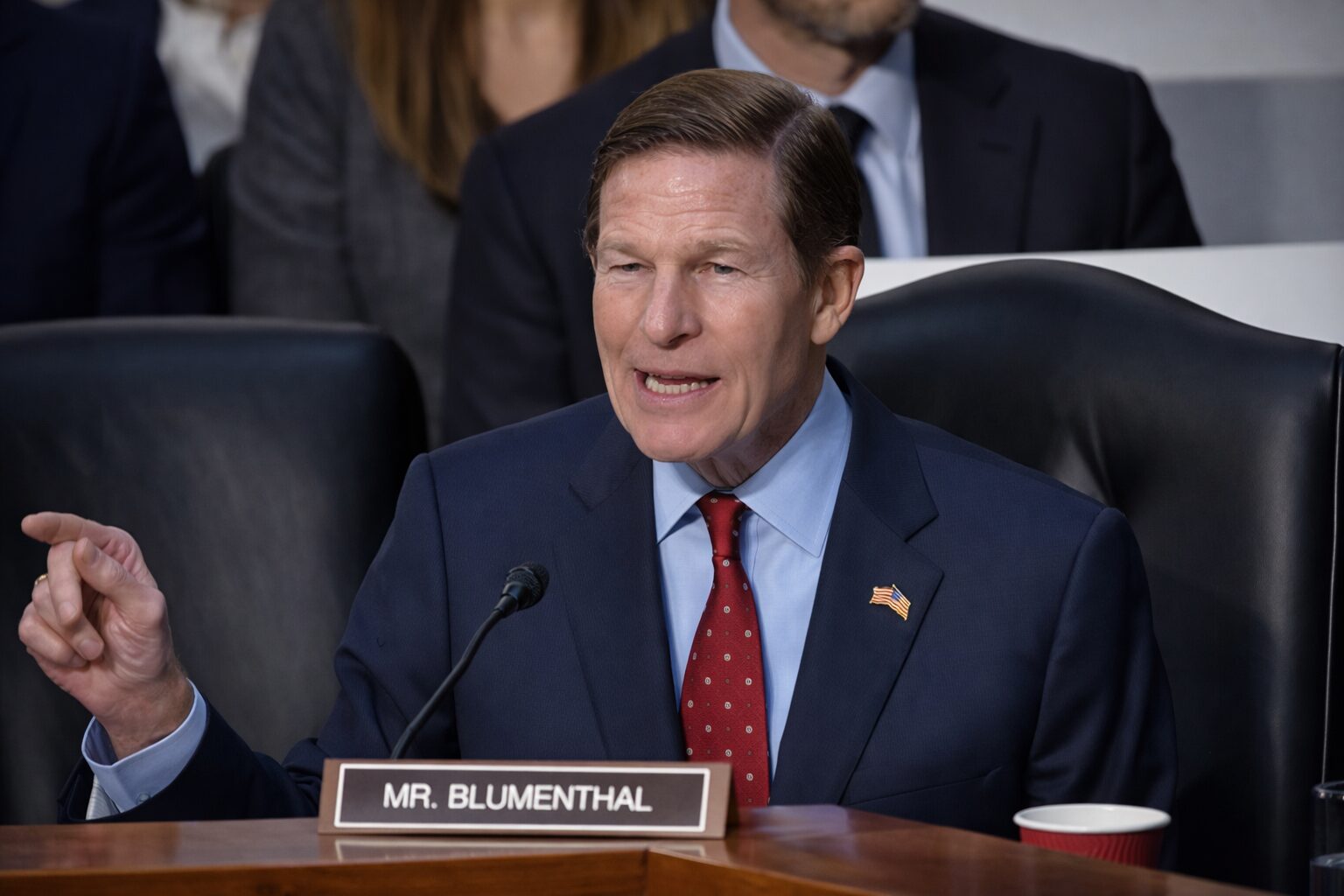
    Richard Blumenthal has sent a new letter to the U.S. Department of Justice and the U.S. Department of the Treasury seeking detailed information about oversight measures imposed on Binance following its 2023 guilty plea.

    In November 2023, Binance admitted to failing to register as a money transmitting business and breaching U.S. sanctions laws. The company agreed to pay more than $4 billion in penalties and retain an independent compliance monitor for three years. Blumenthal’s latest inquiry specifically asks about the status of that monitor and whether any misconduct reports have been filed since the settlement.

    Reports of Iran-Linked Transactions Trigger Renewed Scrutiny

    Blumenthal’s concerns follow media reports in early 2026 alleging Binance facilitated billions of dollars in sanctions evasion tied to Iranian entities. The reports claimed two Binance partners, Hexa Whale and Blessed Trust, acted as middlemen enabling transactions involving Iranian government-linked organizations. According to the reports, individuals involved in investigating those transactions were disciplined or dismissed, though Binance has publicly disputed the allegations.

    The case also connects to former Binance CEO Changpeng Zhao, who previously served four months in prison related to compliance failures and was later pardoned by Donald Trump.

    Requests Sent to Financial Enforcement Leaders

    Blumenthal, who serves as the top Democrat on the Senate Permanent Subcommittee on Investigations, also referenced earlier reports suggesting Binance had explored ending its compliance monitoring arrangement ahead of schedule. His latest letters were directed to Andrea Gacki and Todd Blanche, requesting records on the monitor’s work and oversight status. He asked for a formal response by April 24, as regulators continue reviewing Binance’s compliance with the 2023 settlement.

    Disclaimer

    This content is for informational purposes only and does not constitute financial, investment, or legal advice. Cryptocurrency trading involves risk and may result in financial loss.

  • Kraken Parent Payward to Acquire Bitnomial for $550 Million to Expand U.S. Crypto Derivatives

    Kraken Parent Payward to Acquire Bitnomial for $550 Million to Expand U.S. Crypto Derivatives

    Acquisition Brings Full Licensed Derivatives Infrastructure

    Payward, the parent of Kraken, has agreed to acquire Bitnomial for up to $550 million in cash and stock, giving the firm control of a fully licensed U.S. crypto derivatives stack. The transaction covers 100% of Bitnomial’s equity and is expected to close in the first half of 2026, pending regulatory approvals and customary conditions.

    Founded more than a decade ago, Bitnomial became the first crypto native platform to secure all three required U.S. derivatives licenses: a designated contract market, a derivatives clearing organization, and a futures commission merchant license. The acquisition effectively shortens years of regulatory buildout for Payward as it expands in the U.S. market.

    Payward Co-CEO Arjun Sethi emphasized that clearing infrastructure, including settlement, collateral systems and 24/7 trading capabilities, is central to shaping modern derivatives markets.

    Deal Supports Kraken Expansion and IPO Strategy

    The acquisition strengthens Payward’s derivatives push across Kraken, NinjaTrader and its business-to-business infrastructure division. The company previously acquired NinjaTrader for $1.5 billion in 2025, marking one of the largest deals connecting traditional finance and crypto trading platforms.

    Kraken has also pursued smaller acquisitions, including BCM and Small Exchange, aimed at strengthening institutional trading capabilities. The company confidentially submitted a draft S-1 filing to the U.S. Securities and Exchange Commission in November but later paused its planned IPO due to difficult market conditions.

    Combined Platform to Offer Regulated Trading Products

    After completion, the integrated platform will offer spot margin, perpetual futures and options to U.S. clients under supervision from the Commodity Futures Trading Commission. The deal also expands Payward Services, enabling banks, fintech firms and brokerages to access regulated derivatives markets through a single API integration, supporting the company’s strategy to become a multi-asset, institutional-grade trading platform.

    Disclaimer

    This content is for informational purposes only and does not constitute financial, investment, or legal advice. Cryptocurrency trading involves risk and may result in financial loss.
  • Polish Prime Minister Alleges Crypto Firm Linked to Russian Networks Backed Political Rivals

    Polish Prime Minister Alleges Crypto Firm Linked to Russian Networks Backed Political Rivals

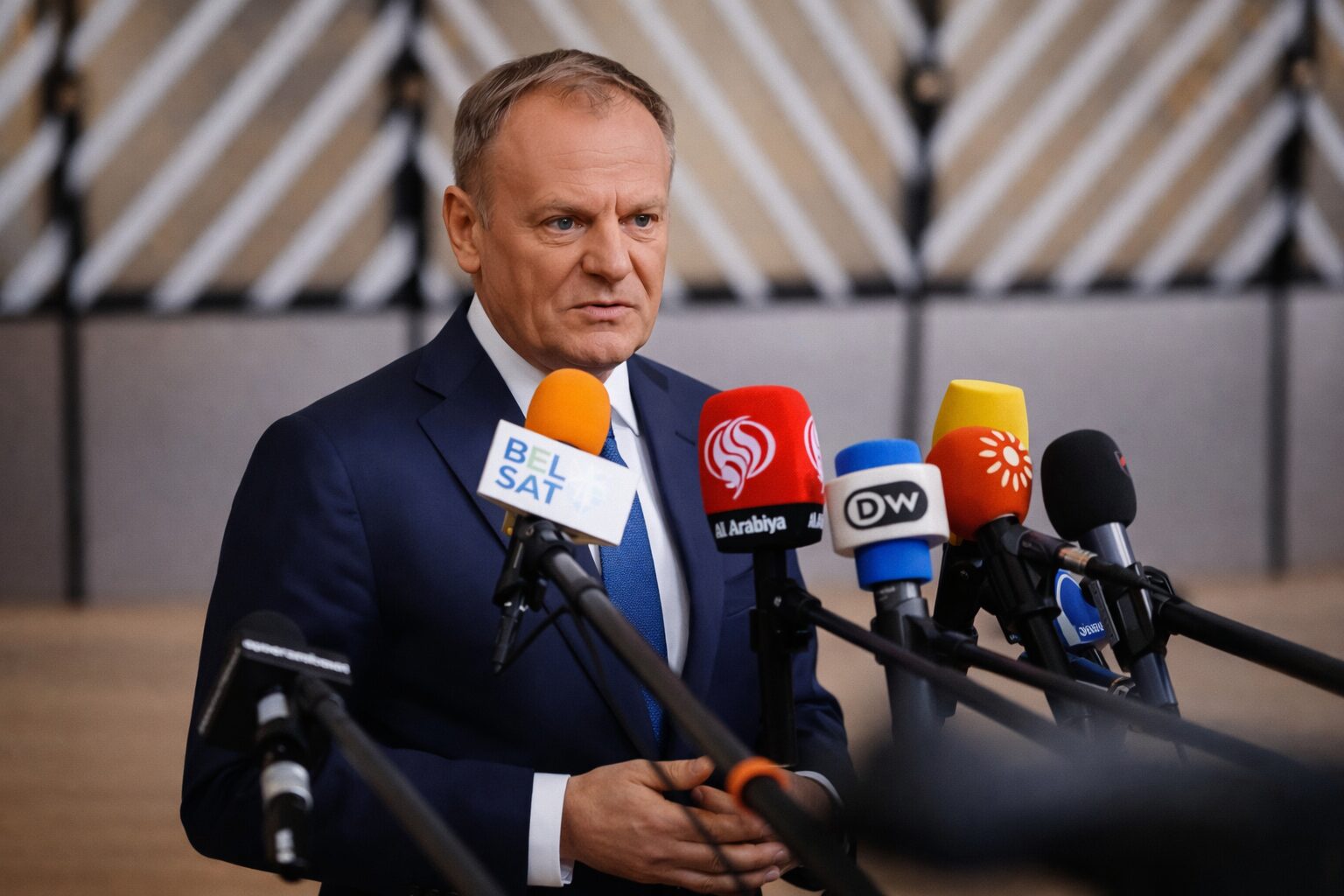
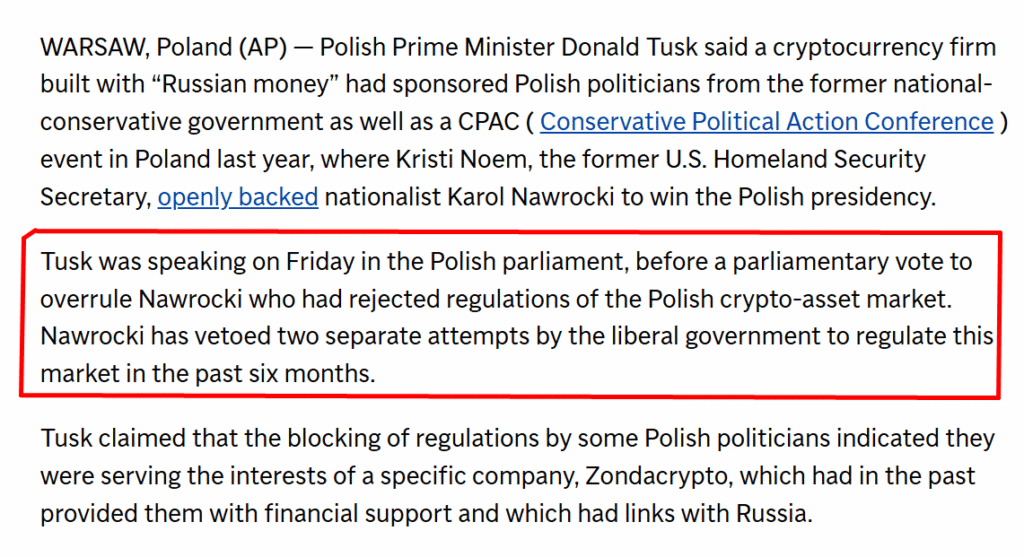
    Donald Tusk accused a crypto company of ties to Russian criminal and intelligence networks while claiming it provided financial support to his political rivals. The remarks were made during a parliamentary vote aimed at overturning a presidential veto blocking new cryptocurrency regulations in Poland.

    Tusk alleged that the crypto firm Zondacrypto had links to Russian funding sources connected to the so-called Bratva, described as one of Russia’s most influential organized crime groups. He further claimed the company’s financial success was tied not only to Russian mafia resources but also to Russian secret services.

    Political Sponsorship Claims Spark Wider Controversy

    According to Tusk, Zondacrypto sponsored a Conservative Political Action Conference event in Poland last year, where Kristi Noem expressed support for presidential candidate Karol Nawrocki. Nawrocki later won the presidential election in June and received backing from Donald Trump.

    Nawrocki’s office responded by stating that he supports regulating crypto-assets but objected to what it described as a flawed regulatory framework proposed by the government.

    Legislative Deadlock Slows Alignment With EU Crypto Rules

    Poland’s crypto policy efforts have faced repeated obstacles. In December, lawmakers failed to overturn Nawrocki’s veto of a broad cryptocurrency bill, delaying the country’s alignment with the European Union’s Markets in Crypto-Assets regulatory framework. The dispute highlights how political tensions are shaping the pace of crypto regulation across Europe.

    Disclaimer

    This content is for informational purposes only and does not constitute financial, investment, or legal advice. Cryptocurrency trading involves risk and may result in financial loss.
  • Trump Says Strait of Hormuz Situation Is Over, Dismisses NATO Assistance

    Trump Says Strait of Hormuz Situation Is Over, Dismisses NATO Assistance

    Trump Claims Crisis Resolved and Rejects NATO Support Offer

    Donald Trump said the situation surrounding the Strait of Hormuz has been resolved, adding that he declined an offer of assistance from the North Atlantic Treaty Organization after the crisis had already ended.

    In a public statement issued Thursday, Trump said NATO contacted him to ask whether the United States required support following tensions in the region. According to Trump, he rejected the offer and told the alliance to “stay away,” unless they intended to assist with oil shipments. He further criticized NATO’s effectiveness during the situation, describing the alliance as “useless when needed” and referring to it as a “paper tiger.”

    Strategic Importance of the Strait of Hormuz Remains Central

    Trump’s comments came amid heightened geopolitical tensions across the Middle East, where maritime security and oil transportation remain sensitive issues. While his remarks suggest that NATO reached out during the crisis, there has been no independent confirmation from NATO or other international authorities regarding the communication or the exact resolution of the situation.

    Markets and Security Risks Still Closely Watched

    Even as Trump declared the situation resolved, analysts continue monitoring developments in the region due to their potential impact on oil prices and global supply chains. Stability in the Strait of Hormuz is closely tied to energy market performance, making geopolitical statements from major leaders highly influential for investor sentiment and commodity pricing.

    Disclaimer

    This content is for informational purposes only and does not constitute financial, investment, or legal advice. Cryptocurrency trading involves risk and may result in financial loss.
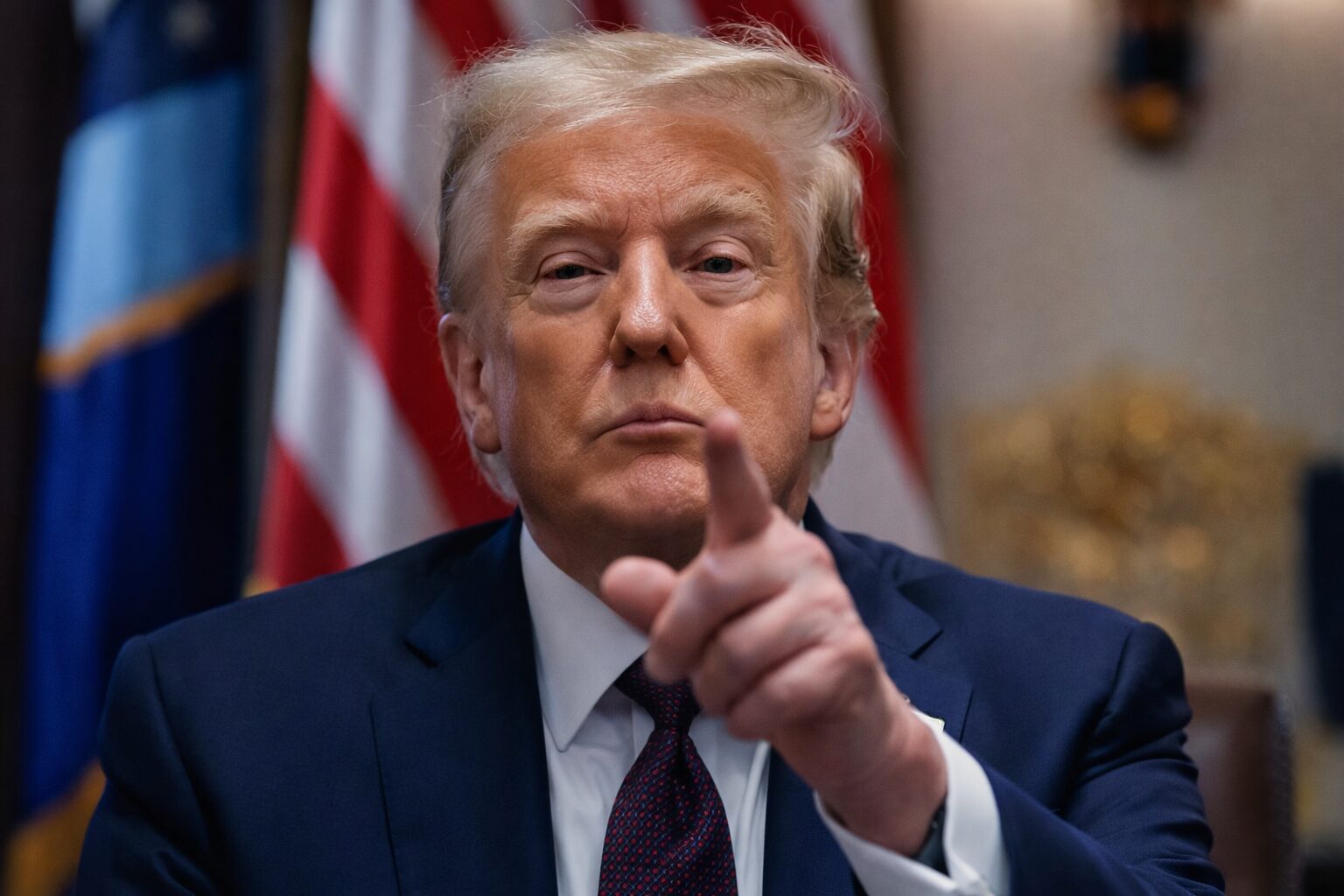
  • Bitcoin Breakout Above $78K Pushes Strategy Back Into Profit as Momentum Strengthens

    Bitcoin Breakout Above $78K Pushes Strategy Back Into Profit as Momentum Strengthens

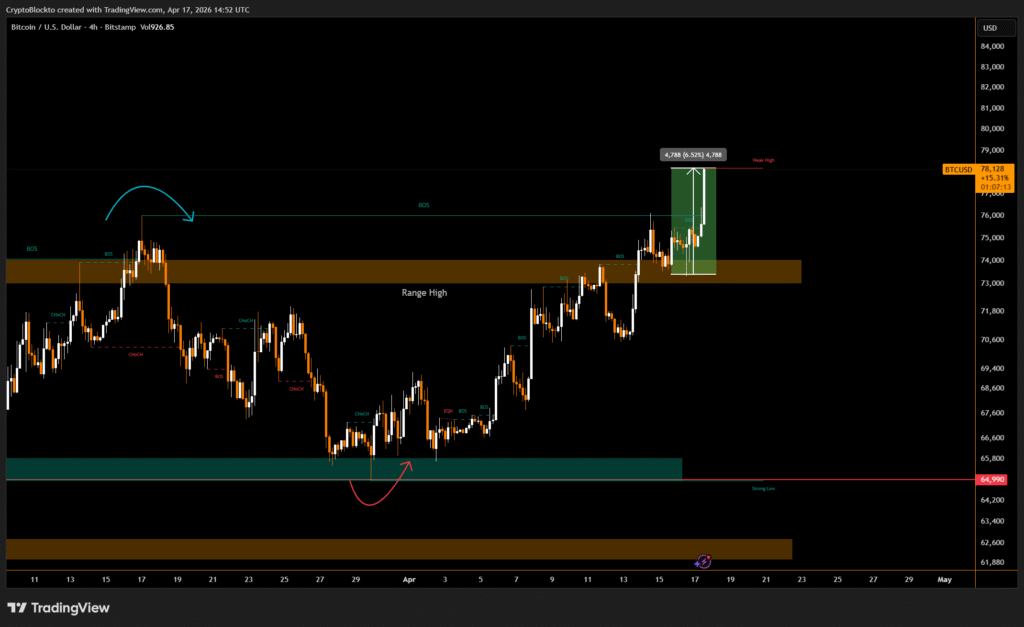
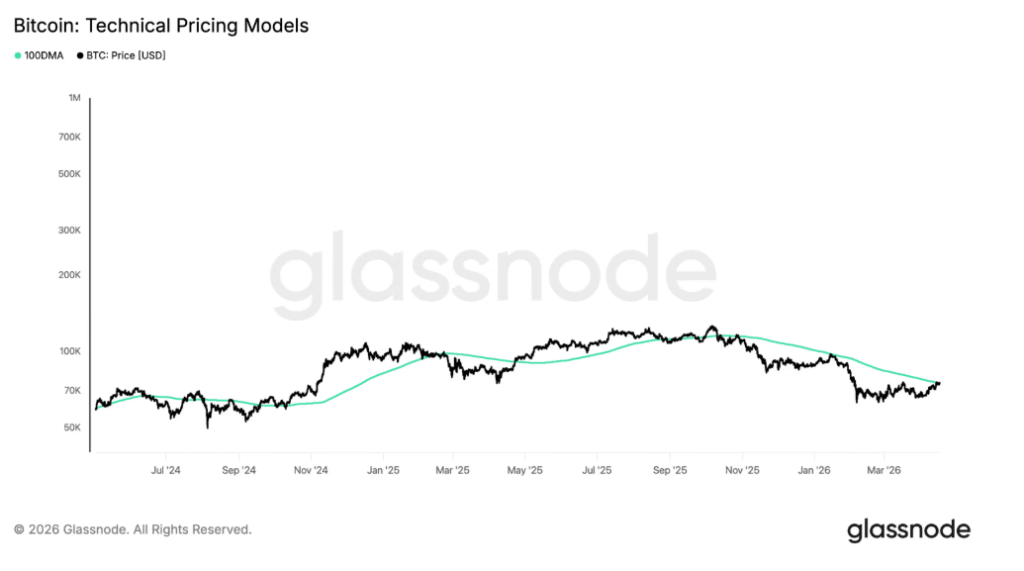
    Bitcoin climbed decisively above the $78,000 level, marking its first clear breakout since the sharp market decline on Feb. 5 that drove prices down to nearly $60,000. BTC also moved firmly above its 100-day moving average of $74,774, a technical milestone widely viewed by traders as confirmation of renewed bullish momentum.

    $BTC 4h price chart

    Since bottoming in early February, Bitcoin has rallied more than 25%, reversing earlier weakness that followed repeated failures to hold gains above the mid-$76,000 range. Earlier attempts to reclaim higher levels stalled at $76,700 on Feb. 4 and again at $76,013 on March 17, making the current move above $76,300 a more significant technical breakout.

    Strategy Returns to Profit as Stock Surges

    The rally has had direct implications for Strategy, the largest publicly traded corporate holder of Bitcoin. Shares of the company rose about 8%, while its Bitcoin holdings moved back into profit territory. The firm’s average Bitcoin purchase price stands at $75,577, meaning current market levels now exceed its cost basis.

    Strategy also moved above its 200-week moving average, a long-term trend indicator covering roughly four years of price activity. This marks the first time the company has reclaimed this level since February, suggesting strengthening long-term sentiment toward both Bitcoin and crypto-linked equities.

    Disclaimer

    This content is for informational purposes only and does not constitute financial, investment, or legal advice. Cryptocurrency trading involves risk and may result in financial loss.
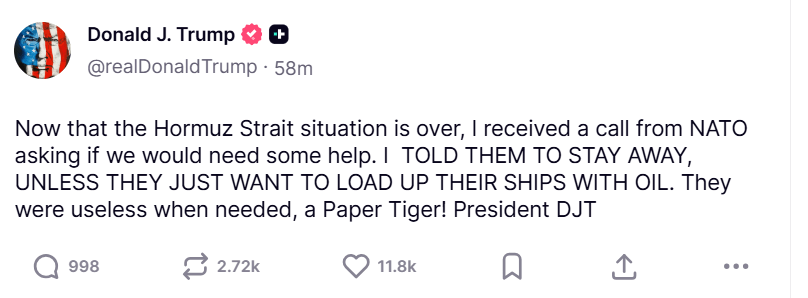
  • Telegram CEO Warns EU Age Verification App Could Enable Broader Digital Tracking

    Telegram CEO Warns EU Age Verification App Could Enable Broader Digital Tracking

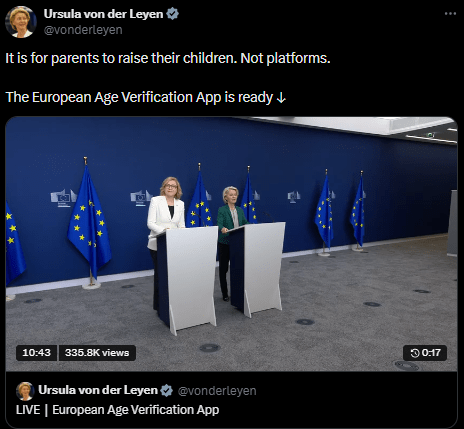
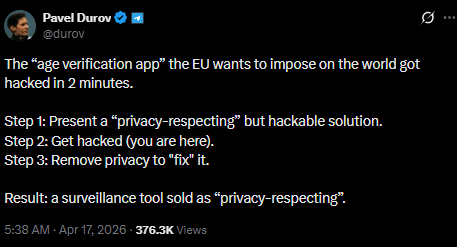
    Pavel Durov has warned that the European Union’s new age-verification application could evolve into a broader digital identity tracking system, raising concerns over long-term surveillance risks. His comments came shortly after the European Commission stated that the system was technically ready for rollout across member states.

    Durov referenced claims by security consultant Paul Moore, who reported that the app’s design could be compromised in “under two minutes,” suggesting vulnerabilities that may allow users to bypass proper identity checks or disconnect verification from the actual device or individual.

    EU Says System Is Anonymous, Critics Disagree

    The EU age-verification framework, developed under the European Commission led by Ursula von der Leyen, is designed to confirm whether users are over 18 without revealing additional personal data. Officials describe the system as “completely anonymous” and intended to integrate with future European Digital Identity Wallet infrastructure.

    However, critics argue that the architecture could create pathways for broader surveillance. Durov stated the system is “hackable by design,” warning that what begins as age verification could later expand into mandatory identity tracking across online platforms in Europe.

    Broader Debate Over Digital Identity and Regulation

    The age-verification tool was introduced as an open-source project intended to improve privacy while enabling regulatory compliance for online platforms. Despite these claims, researchers have questioned its resilience, particularly after reports suggested it could be bypassed quickly in testing environments.

    Durov further argued that such systems could set a precedent for expanded digital monitoring across social media and internet services. He also remains under judicial investigation in France over allegations linked to illegal activity on Telegram, including concerns about platform oversight and cooperation with authorities.

    Disclaimer

    This content is for informational purposes only and does not constitute financial, investment, or legal advice. Cryptocurrency trading involves risk and may result in financial loss.