Author: tristan

  • Bitcoin, Ether, Solana Slide as Trump Threatens Iran “Extremely Hard”

    Bitcoin, Ether, Solana Slide as Trump Threatens Iran “Extremely Hard”

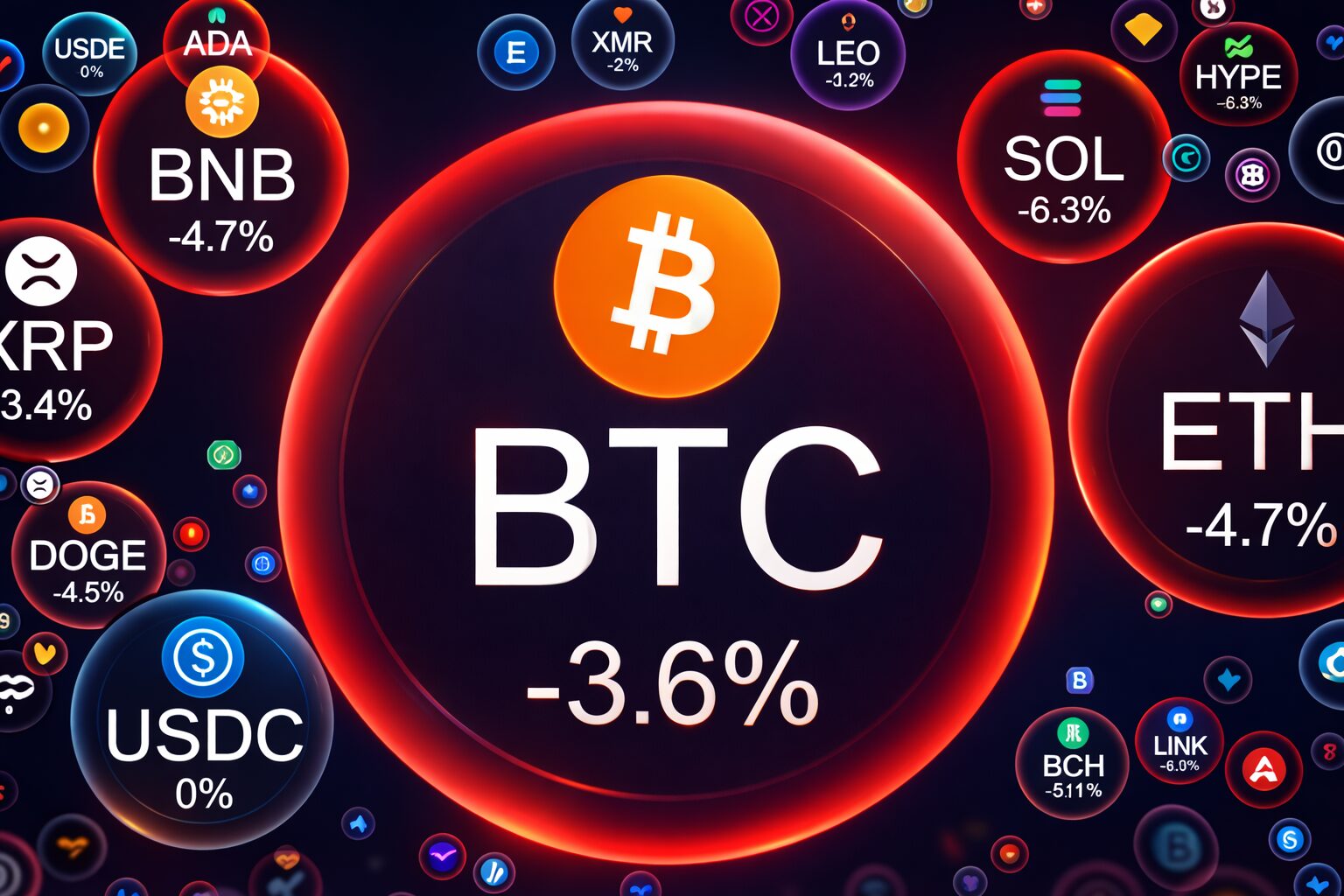
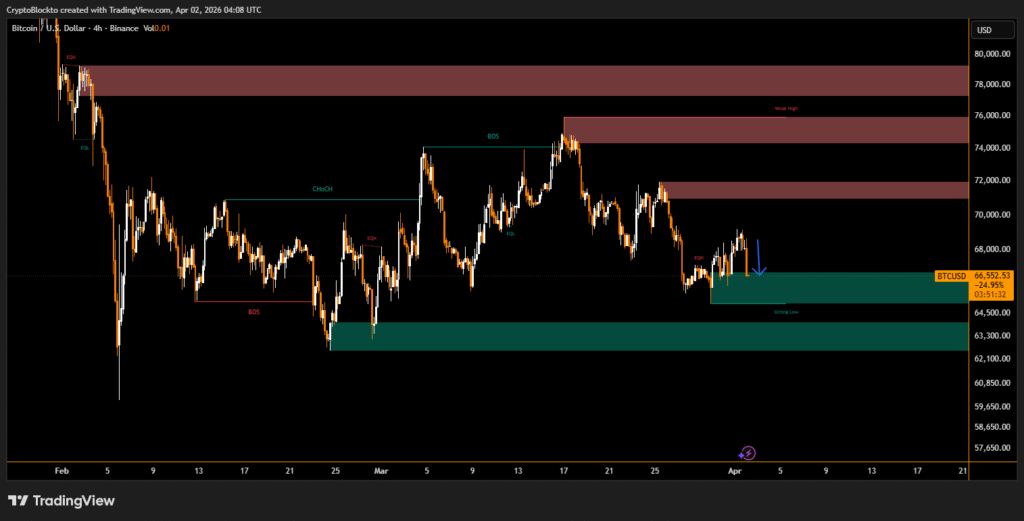
    Major cryptocurrencies fell sharply after Donald Trump’s primetime address signaled a tougher stance toward Iran, undermining a short-lived global market rally. Bitcoin dropped 2.2% to $66,609, giving back gains from Tuesday. Ether fell 2.2% to $2,056, BNB declined 3.9% to $591, XRP lost 2.5%.
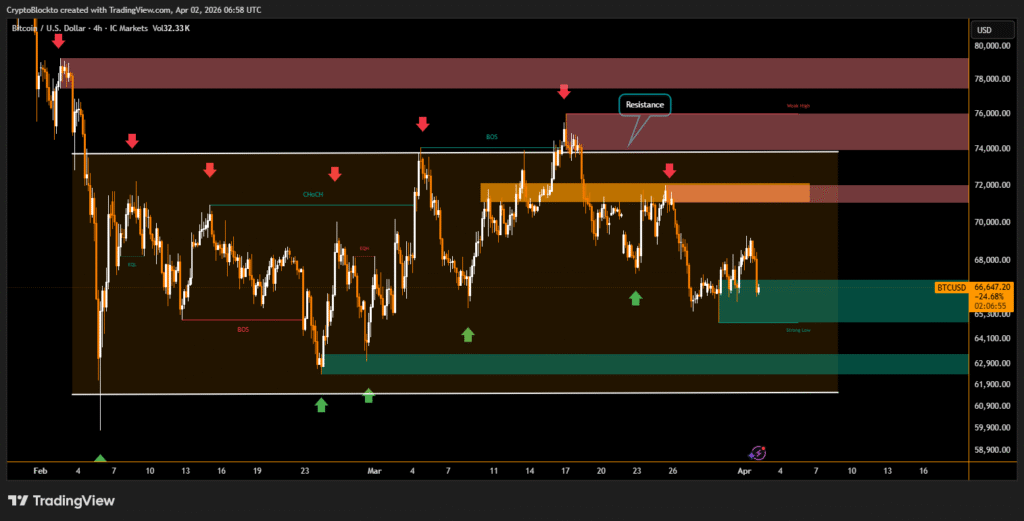
    $BTC 4h price chart

    Global Equities and Oil Prices Impacted

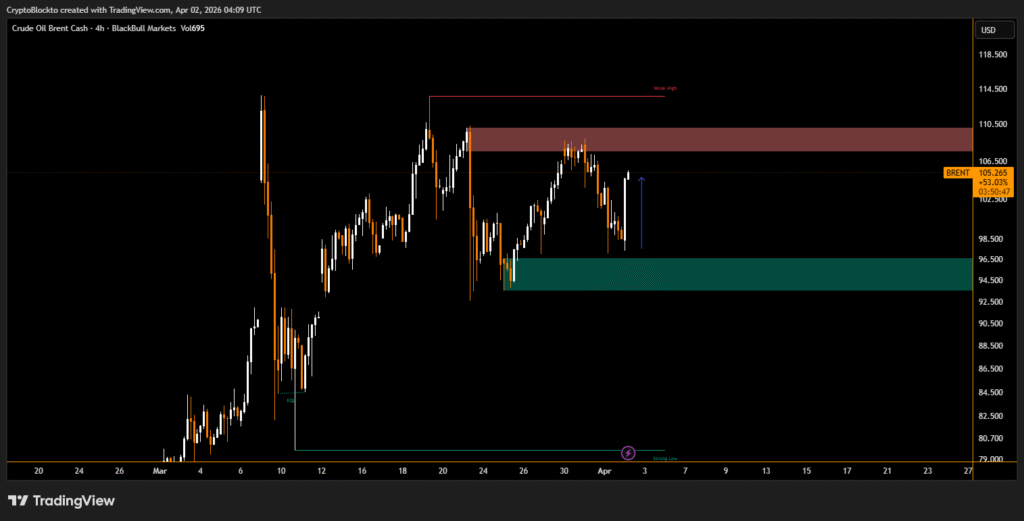
    Trump’s speech offered no path to de-escalation. Brent crude jumped 5% to above $106 a barrel. Asian shares fell 2.1%, while U.S. and European equity futures dropped more than 1.2%. The US dollar strengthened, and Treasuries declined amid inflation concerns. The Strait of Hormuz, closed since mid-March, would reopen “naturally” after hostilities, but no timeline was given.
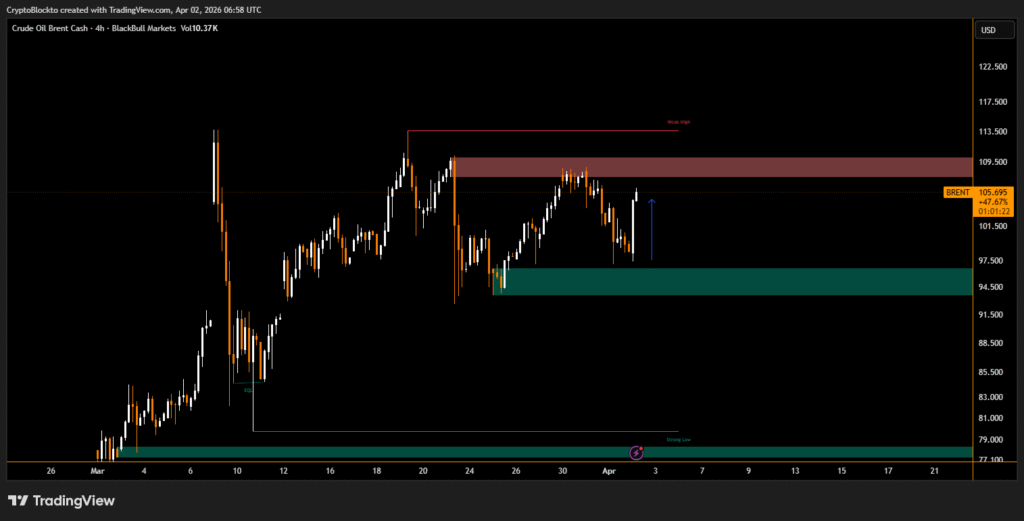
    Brent crufe 4h price chart

    Bitcoin’s Volatility and Seasonal Outlook

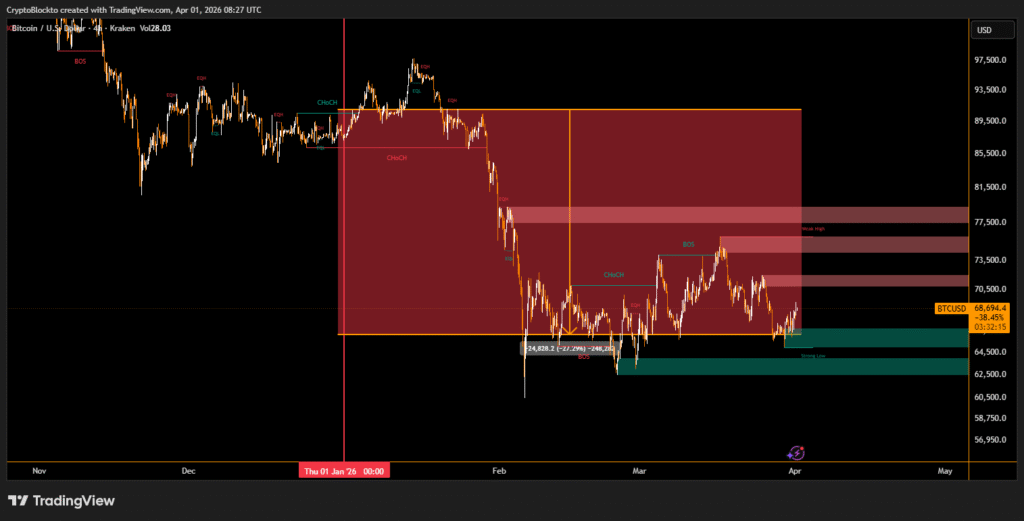
    Bitcoin has traded between roughly $60,000 and $73,000 over five weeks, reacting sharply to conflict headlines. The Fear and Greed Index remains at 12, signaling extreme fear. Analysts note April is historically strong for Bitcoin, with an average gain of 20.9% in positive years. The cryptocurrency also rebounded off two-month uptrend support near $60,000 and is attempting to reclaim its 50-day moving average.
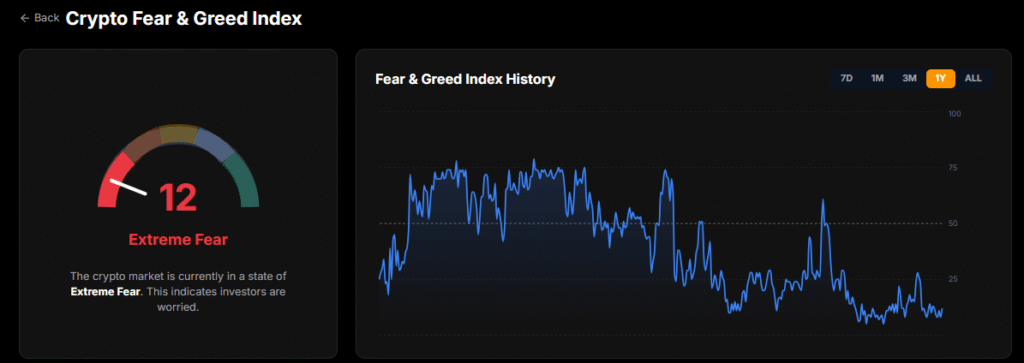
    Despite seasonal optimism, traders warn that geopolitical escalation dominates market movements. The pattern of rallies and reversals over the past five weeks is expected to continue until the conflict itself shows signs of resolution.

    Disclaimer

    This content is for informational purposes only and does not constitute financial, investment, or legal advice. Cryptocurrency trading involves risk and may result in financial loss.

  • Taiwan Urged to Reconsider Bitcoin Reserve Strategy as War Risks and Dollar Exposure Rise

    Taiwan Urged to Reconsider Bitcoin Reserve Strategy as War Risks and Dollar Exposure Rise

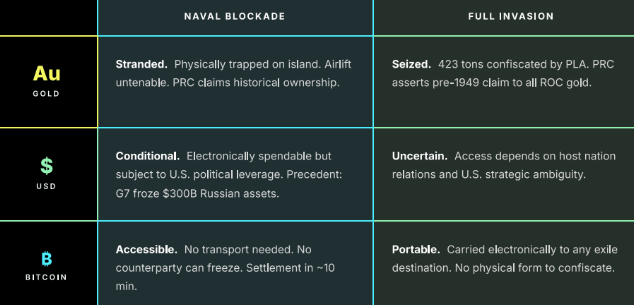
    Taiwan should reconsider adopting Bitcoin as a reserve asset to hedge against geopolitical uncertainty and the risk of military conflict, according to a report by the Bitcoin Policy Institute. Research fellow Jacob Langenkamp stated Tuesday that if China attempts reunification with Taiwan through a blockade or full invasion, Bitcoin could remain the only reserve asset fully accessible and spendable. He argued that gold could be stranded or seized and US dollar reserves might face restrictions, while Bitcoin would remain accessible without physical transport.

    Central Bank Concerns and Exposure to Dollar Risks

    Nation-states have increasingly explored strategic Bitcoin reserves, but the Central Bank of the Republic of China (Taiwan) rejected the idea in December after studying the proposal last year. Officials cited volatility, liquidity, and custody risks, identifying the US dollar as a safer alternative. Langenkamp warned that Taiwan remains heavily exposed to US dollar debasement, noting that at least 80% of central bank reserves are denominated in USD. He added that rising US debt, monetary expansion by the Federal Reserve, potential artificial intelligence market declines, and weakening semiconductor revenues could accelerate dollar pressure.

    BTC is more resilient during turmoil than other alternatives: Bitcoin Policy Institute

    Existing Bitcoin Holdings Support Further Testing

    Despite rejecting a full reserve strategy, Taiwan continues to test digital asset technology in a regulatory sandbox using seized crypto. Taiwanese lawmaker Ko Ju-Chun revealed that the Ministry of Justice (Taiwan) holds 210 Bitcoin worth about $14 million confiscated during criminal investigations. According to BitBo, these holdings would rank Taiwan as the seventh-largest national Bitcoin holder, behind El Salvador but ahead of Finland if officially listed.

    Disclaimer

    This content is for informational purposes only and does not constitute financial, investment, or legal advice. Cryptocurrency trading involves risk and may result in financial loss.
  • President Trump Warns of Potential Nuclear Disaster After US Strikes in Iran

    President Trump Warns of Potential Nuclear Disaster After US Strikes in Iran

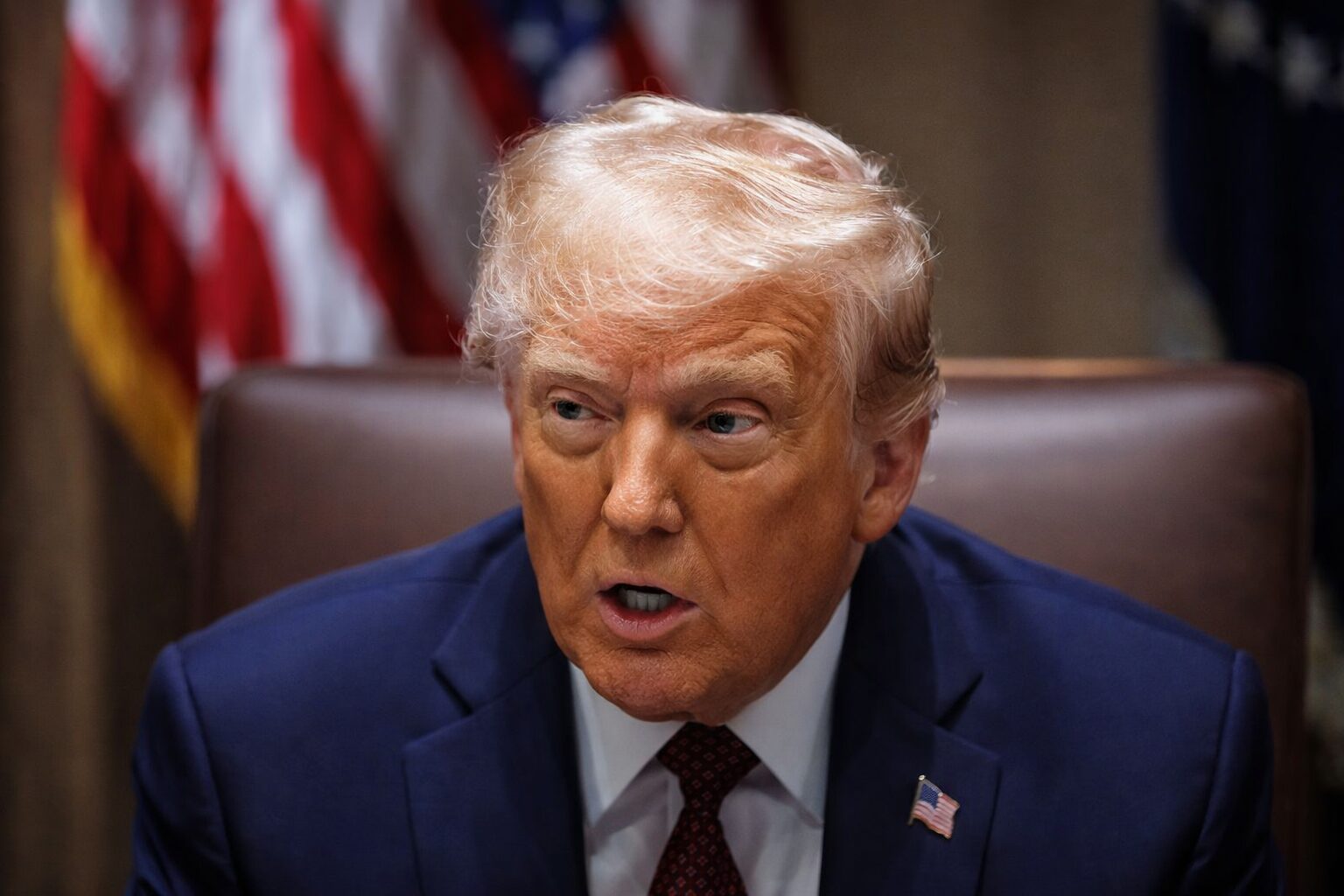
    U.S. B-2 stealth bombers have struck Iranian nuclear sites with significant force, reportedly leaving nuclear dust that could prevent access for months. President Donald Trump claimed in a national address that the U.S. has destroyed key elements of Iran’s military and is close to achieving its war objectives.

    Trump’s Claims and Iran’s Response

    Trump stated that U.S. goals are “nearing completion” and vowed to “finish the job.” He also claimed Iran had requested a ceasefire, a claim that Tehran officially denied. The US Department of Defense secretary posted on X simply: “Back to the Stone Age,” echoing Trump’s warning.

    Israel Supports U.S. Actions

    The speech was broadly welcomed in Israel, aligning with Benjamin Netanyahu’s timeline. Netanyahu recently said Israel had completed just over half of its planned air campaign targets. The campaign has expanded to include broader infrastructure, including civilian power plants and factories, aiming to significantly debilitate Iran’s operational and societal capabilities.

    Trump framed the military actions as a response to the October 7 attacks on Israel, emphasizing the existential threat of a nuclear-armed Iran. He suggested that had Iran obtained nuclear weapons, Israel might no longer exist a view echoed by hawkish Israeli leaders, particularly Netanyahu.

    Disclaimer

    This content is for informational purposes only and does not constitute financial, investment, or legal advice. Cryptocurrency trading involves risk and may result in financial loss.

  • SpaceX Files Confidentially for IPO, Poised for Trillion-Dollar Valuation

    SpaceX Files Confidentially for IPO, Poised for Trillion-Dollar Valuation

    Elon Musk’s aerospace company SpaceX has filed confidentially for an initial public offering with the U.S. Securities and Exchange Commission, moving closer to what could become the largest public listing in U.S. history. Sources indicate the IPO could be finalized as early as June.

    Trillion-Dollar Valuation and Potential Fundraising

    SpaceX is expected to target a valuation exceeding $1.75 trillion, surpassing Meta Platforms, Tesla, and Bitcoin. The IPO could raise up to $75 billion, more than double Saudi Aramco’s 2019 record.

    The filing follows SpaceX’s acquisition of xAI, competing with AI firms OpenAI and Anthropic. OpenAI recently secured $122 billion, raising its valuation to $852 billion.

    SpaceX plans investor briefings this month and is considering a dual-class share structure for insider voting control. Up to 30% of shares may be allocated to individual investors, with support from Bank of America, Goldman Sachs, JPMorgan Chase, Morgan Stanley, and Citigroup.

    Bitcoin Holdings and Tokenized Shares

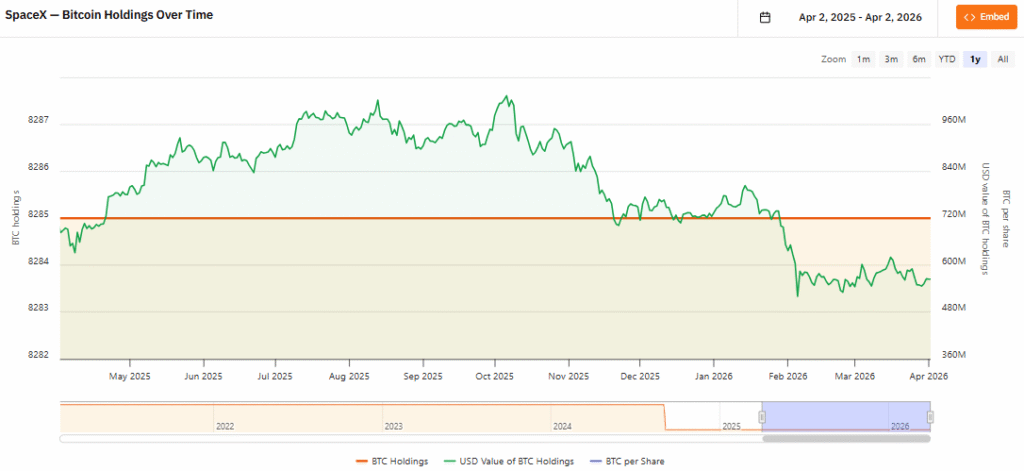
    SpaceX holds 8,285 Bitcoin worth over $565 million, recently moved to a new wallet. Trading platforms Robinhood and Kraken explore tokenized shares, while OpenAI and Anthropic plan future IPOs.

    Disclaimer

    This content is for informational purposes only and does not constitute financial, investment, or legal advice. Cryptocurrency trading involves risk and may result in financial loss.
  • Alleged Huione Money Laundering Boss Li Xiong Extradited to China

    Alleged Huione Money Laundering Boss Li Xiong Extradited to China

    Li Xiong, identified as a key member of an alleged crypto-linked criminal network, has been extradited from Phnom Penh, Cambodia, to China to face fraud and money laundering charges. According to official statements, the transfer took place on April 1 after coordination between Chinese authorities and Cambodian officials. A task force sent by China’s Ministry of Public Security escorted Li back to China following his detention in Cambodia.

    Authorities described Li as a core figure within the Chen Zhi criminal syndicate. He previously served as chairman of Huione Group, an organization accused of supporting scam centers operating across Cambodia and other parts of Southeast Asia.

    Huione Group Accused of Handling Billions in Illicit Crypto

    Investigators allege that Huione Group operated one of the largest illicit online marketplaces globally. The group is accused of helping move funds tied to “pig butchering” scams and other fraudulent investment schemes that targeted victims worldwide. Reports indicate that the platform handled more than $89 billion worth of cryptoassets linked to illicit activities.

    Li Xiong’s extradition follows the earlier arrest of Chen Zhi, the head of Prince Group, which operated Huione Group. In October, authorities in the United States seized 127,271 Bitcoin valued at over $15 billion that were linked to Chen Zhi.

    Authorities Warn Remaining Syndicate Members to Surrender

    Officials stated that several other members connected to Chen Zhi’s network have already been detained in recent months. Law enforcement agencies emphasized that operations to capture fugitives will continue, urging remaining suspects to surrender voluntarily in exchange for the possibility of more lenient treatment under the law.

    Disclaimer

    This content is for informational purposes only and does not constitute financial, investment, or legal advice. Cryptocurrency trading involves risk and may result in financial loss.

  • Bitcoin Falls and Oil Surges Above $104 as Trump Signals Escalation in Iran Conflict

    Bitcoin Falls and Oil Surges Above $104 as Trump Signals Escalation in Iran Conflict

    Bitcoin prices declined while crude oil surged above $100 per barrel following a national address by Donald Trump regarding the ongoing conflict with Iran. During the speech, the president stated that US forces were “very close” to completing military objectives under Operation Epic Fury and warned that Iran would be hit “extremely hard” over the next two to three weeks.

    $BTC 4h

    Crude oil prices climbed to approximately $105.59 per barrel after the address, reflecting rising supply concerns linked to tensions in the Strait of Hormuz. Meanwhile, Bitcoin dropped roughly 2.5%, trading near $66,604 as market uncertainty increased.

    BRENT crude 4h chart

    Middle East Conflict Drives Market Volatility

    The conflict intensified earlier in February after joint strikes by the United States and Israel, prompting Iran to impose a blockade on the Strait of Hormuz, one of the world’s most critical oil transport routes. The blockade disrupted supply expectations and added upward pressure to global energy prices.

    Trump stated that discussions between both sides remain ongoing, with the US demanding the dismantling of Iran’s nuclear programs, restoration of commercial shipping channels and an end to regional proxy support. Iran, in contrast, is seeking compensation for damages, a permanent end to the war and removal of US military presence.

    Outlook for Oil, Bitcoin and Financial Markets

    The president suggested that once the conflict ends, oil shipments through the Strait of Hormuz will resume naturally, potentially lowering fuel costs and stabilizing financial markets. He also predicted that stock markets would recover as tensions ease and trade flows normalize.

    However, the short-term outlook remains uncertain as geopolitical risks continue to influence commodity prices, cryptocurrency valuations and broader investor sentiment.

    Disclaimer

    This content is for informational purposes only and does not constitute financial, investment, or legal advice. Cryptocurrency trading involves risk and may result in financial loss.
  • Bithumb Delays IPO Plans Beyond 2028 Amid Regulatory and Compliance Preparations

    Bithumb Delays IPO Plans Beyond 2028 Amid Regulatory and Compliance Preparations

    South Korea-based crypto exchange Bithumb is reportedly delaying its initial public offering until sometime after 2028, extending its listing timeline following earlier restructuring and regulatory challenges. Company officials indicated that preparations for a potential listing will continue through 2027.

    Chief Financial Officer Jeong Sang-gyun stated during the company’s annual shareholder meeting that Bithumb is strengthening accounting policies and internal controls as part of its preparation process. The exchange has already signed an IPO advisory contract with Samjong KPMG to support compliance and readiness.

    Regulatory Issues and Leadership Changes Affect IPO Strategy

    Shareholders recently reconfirmed CEO Lee Jae-won for a two-year term, maintaining leadership continuity during the extended preparation period. Under Lee’s tenure, Bithumb faced regulatory action, including a six-month suspension and a $24 million fine from South Korean authorities related to alleged anti-money-laundering violations.

    The company initially targeted a 2025 public listing, but ongoing compliance requirements and internal restructuring have contributed to repeated delays.

    Industry Developments and Market Impact

    A public listing by a major South Korean exchange is expected to influence the country’s crypto sector and investor participation. Meanwhile, Dunamu, operator of the Upbit exchange, is reportedly planning its own IPO following a share swap with Naver Financial expected in September.

    Bithumb also drew attention earlier this year after mistakenly crediting users with approximately 2,000 Bitcoin instead of 2,000 South Korean won, briefly creating internal balances exceeding $40 billion before reversing the error.

    South Korea’s regulatory environment remains in transition following the appointment of President Lee Jae-myung in June 2025. Lawmakers have proposed legislation on payment stablecoins, while previously planned tax increases on crypto gains have been repeatedly delayed and could be scrapped, reflecting mixed signals in national crypto policy.

    Disclaimer

    This content is for informational purposes only and does not constitute financial, investment, or legal advice. Cryptocurrency trading involves risk and may result in financial loss.
  • Hong Kong Delays First Stablecoin Licences as Regulatory Review Continues

    Hong Kong Delays First Stablecoin Licences as Regulatory Review Continues

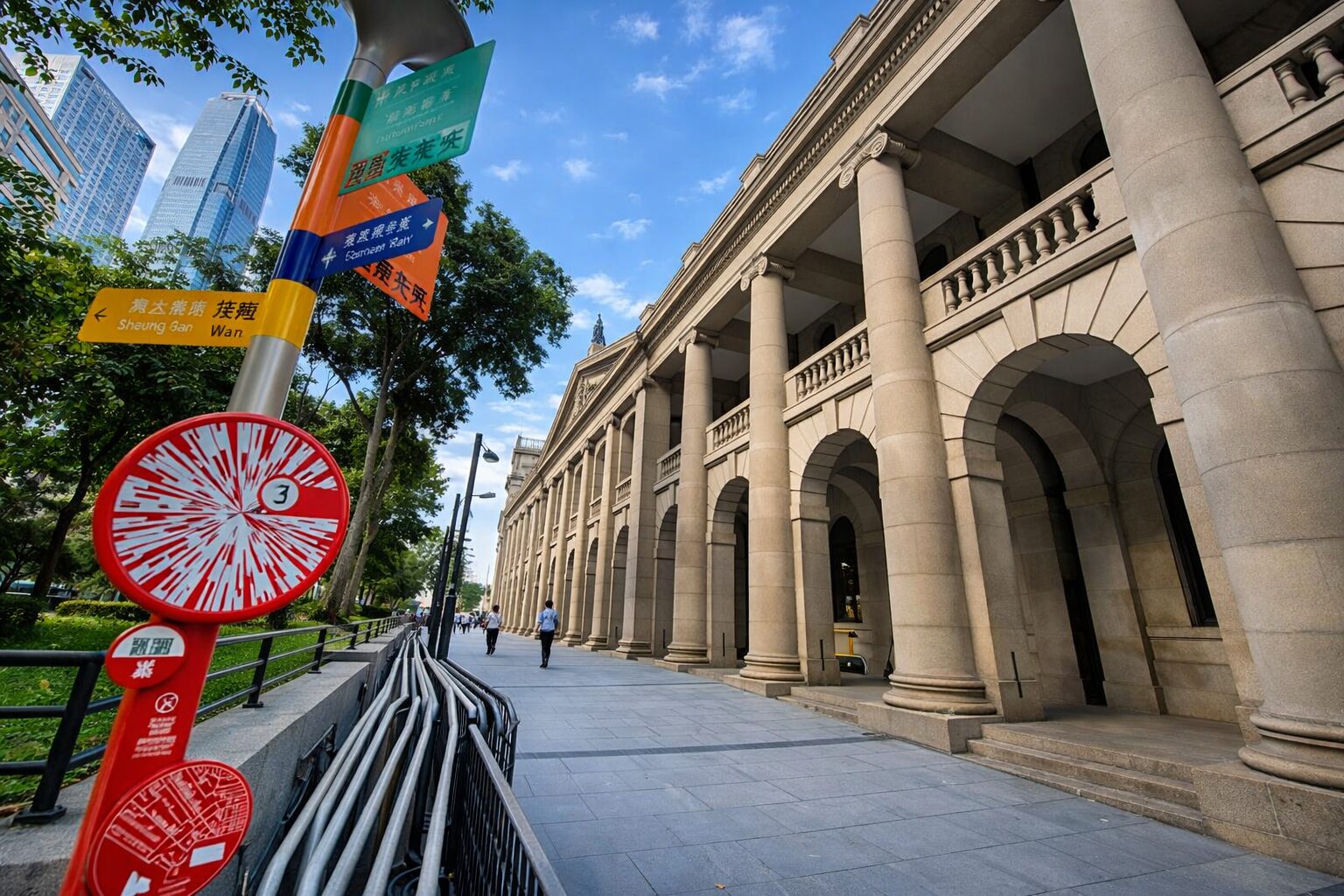
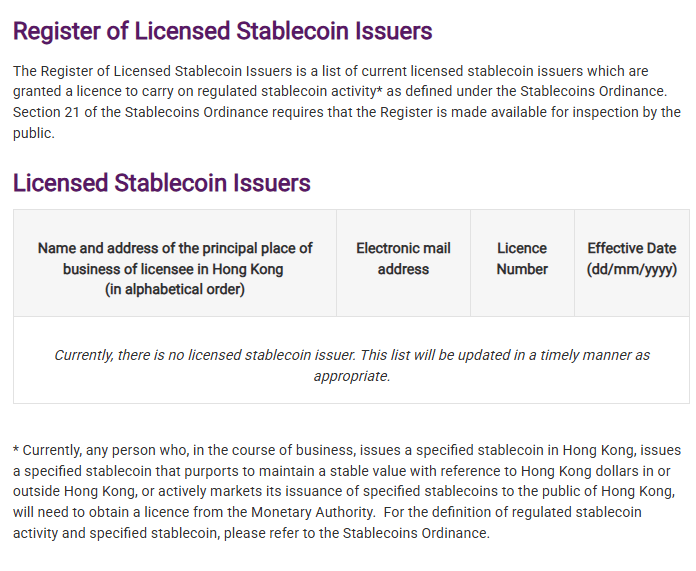
    Hong Kong has missed its anticipated end-of-March timeline for issuing its first stablecoin licences, with the Hong Kong Monetary Authority (HKMA) confirming that the approval process is still underway. Officials stated that licensing decisions will be announced in due course, though no revised schedule has been provided.

    The delay follows earlier guidance from HKMA Chief Executive Eddie Yue, who told lawmakers in February that only a limited number of issuers would be approved in the initial phase. Authorities are reviewing applicants based on use cases, risk management standards, anti-money laundering controls and the quality of reserve backing.

    Strict Regulatory Requirements Shape Approval Timeline

    Hong Kong’s regulatory framework for stablecoins remains among the most stringent globally. Proposed rules require issuers to fully back tokens with high-quality liquid reserves and ensure redemption requests are processed within one business day. Companies must also maintain a physical presence in Hong Kong while complying with strict Know Your Customer and transaction monitoring requirements.

    HKMA register of stablecoin issuers.

    Earlier industry expectations suggested that global banking groups, including HSBC and ventures backed by Standard Chartered, were among potential frontrunners, although regulators have not confirmed any approvals.

    Regional Pressures Influence Stablecoin Rollout

    The delay comes as Hong Kong positions stablecoin oversight as a core element of its strategy to become a global crypto and fintech hub. At the same time, pressure from mainland Chinese regulators has influenced the pace of development.

    Reports previously indicated that firms such as Ant Group and JD.com paused their stablecoin initiatives after mainland regulators raised concerns about privately issued digital currencies.

    Disclaimer

    This content is for informational purposes only and does not constitute financial, investment, or legal advice. Cryptocurrency trading involves risk and may result in financial loss.
  • JPMorgan and Goldman Sachs Eye Prediction Markets as Sector Competition Accelerates

    JPMorgan and Goldman Sachs Eye Prediction Markets as Sector Competition Accelerates

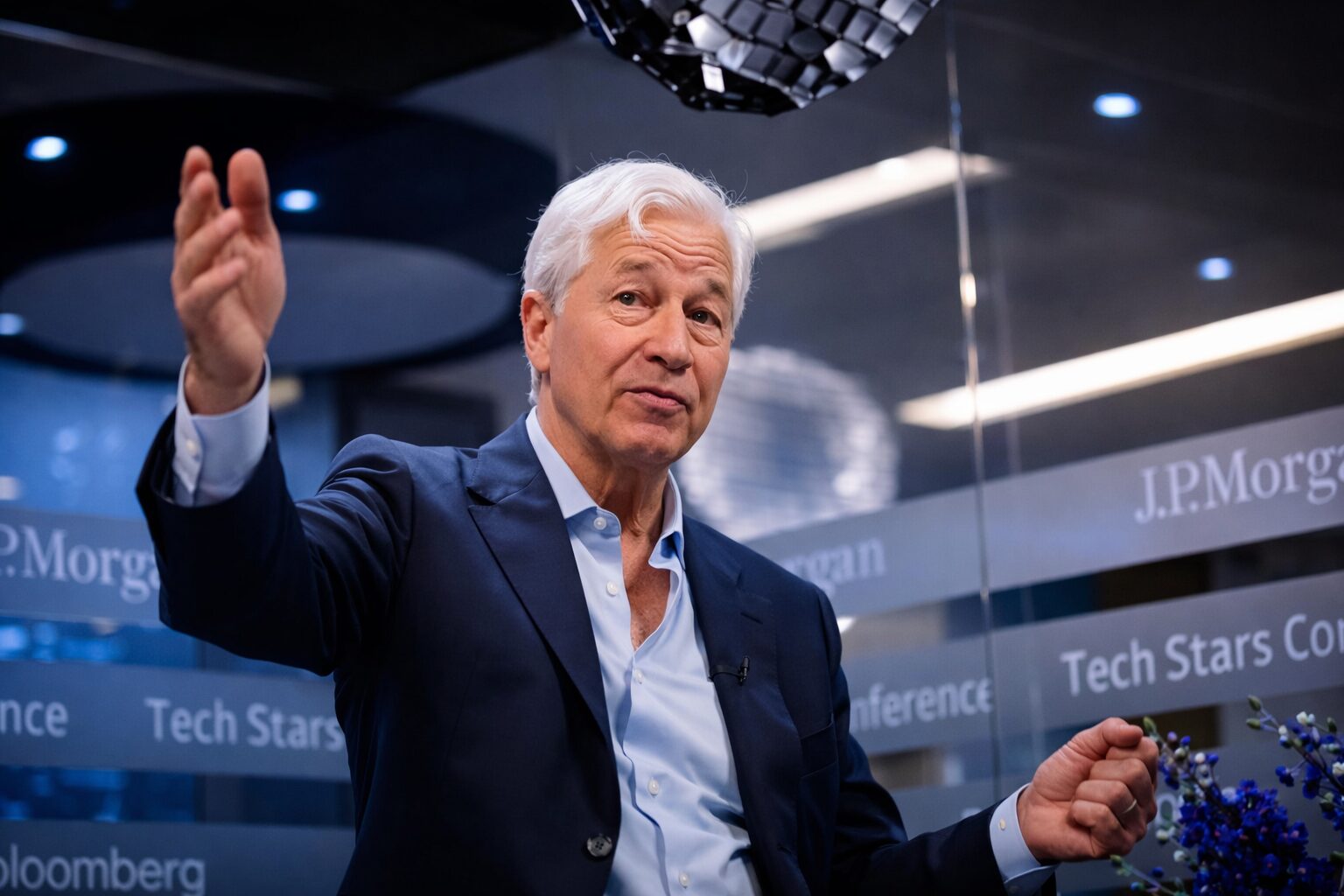
    JPMorgan Chase CEO Jamie Dimon has indicated that the bank is considering entering the prediction markets sector, reflecting growing institutional interest in this rapidly expanding field. Speaking publicly, Dimon said the bank could explore such offerings in the future but emphasized that certain categories, including sports and political markets, would be excluded. He also stressed that strict compliance rules around insider information would guide any future activity.

    The comments highlight how major financial institutions are evaluating new financial products as demand for event-based trading continues to grow across both traditional and crypto-linked platforms.

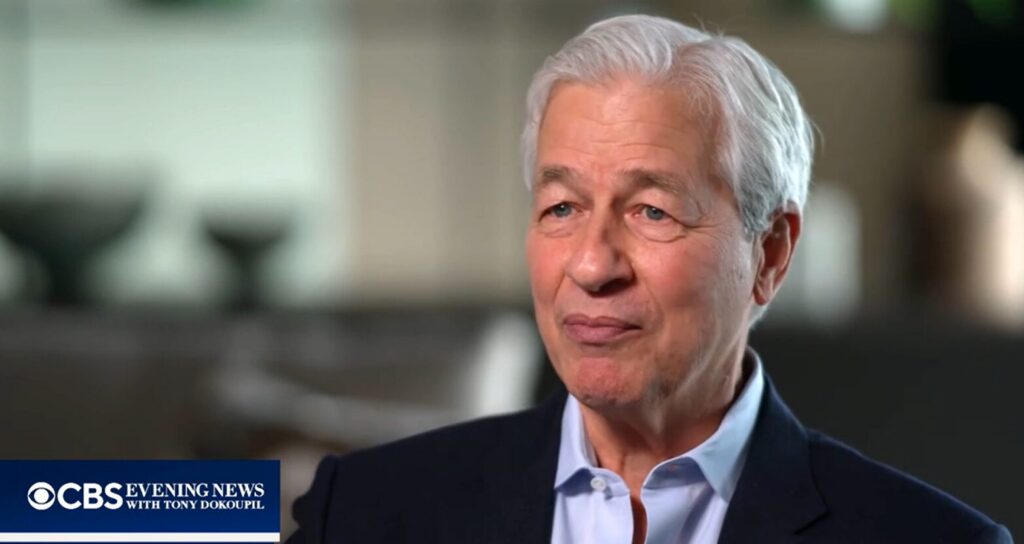
    JPMorgan Chase CEO Jamie Dimon at CBS news

    Goldman Sachs and Industry Rivals Explore Similar Opportunities

    Goldman Sachs CEO David Solomon has also signaled strong interest in prediction markets. He confirmed that he recently met with leadership teams from two major prediction platforms to better understand the technology and market structure. The firm has assigned dedicated teams to study the sector and assess its long-term potential.

    Competition has intensified as prediction markets evolve beyond early leaders such as Polymarket and Kalshi. Crypto linked platforms including Coinbase and Robinhood have integrated prediction-style trading tools, expanding access to retail users and increasing participation.

    Regulatory Developments Shape Future Growth

    The rapid rise of prediction markets has attracted attention from regulators and global financial institutions. The Commodity Futures Trading Commission has taken early steps toward establishing a regulatory framework, signaling that formal oversight of the sector is beginning to develop.

    Despite growing momentum, key legal questions remain unresolved, particularly regarding which types of contracts are permissible and how event-based markets should be classified under existing financial laws.

    Disclaimer

    This content is for informational purposes only and does not constitute financial, investment, or legal advice. Cryptocurrency trading involves risk and may result in financial loss.
  • Bitcoin Falls 24% in Q1 2026, Worst First Quarter Since 2018

    Bitcoin Falls 24% in Q1 2026, Worst First Quarter Since 2018

    Bitcoin ended the first quarter of 2026 down 23.8%, closing at $66,619, marking its worst Q1 performance since 2018. The decline extends losses from Q4 2025, when bitcoin dropped 23% from $114,057 to $87,508, resulting in a six-month decline of about 41.6%.

    Factors Driving the Decline

    Analysts cited several factors contributing to bitcoin’s first-quarter fall. ETF outflows played a significant role, with spot bitcoin ETFs seeing $496.5 million in net outflows during Q1, including $1.8 billion in the first two months, partially offset by $1.32 billion inflows in March. Macro uncertainty, sticky inflation, and cautious Federal Reserve policy further weighed on the cryptocurrency market.

    Geopolitical tensions in the Middle East also pressured investor sentiment, with ongoing U.S.-Iran conflicts creating market uncertainty.

    Long-Term Bitcoin Outlook

    Despite the recent decline, analysts note that long-term conviction in bitcoin remains strong, with institutional adoption and participation trends largely intact. Recovery in Q2 2026 will likely depend on renewed ETF inflows, clearer crypto regulations, and stabilization of geopolitical conditions.

    Disclaimer

    This content is for informational purposes only and does not constitute financial, investment, or legal advice. Cryptocurrency trading involves risk and may result in financial loss.