Trump Claims Iran Economy Hit Hard by Ongoing Naval Blockade
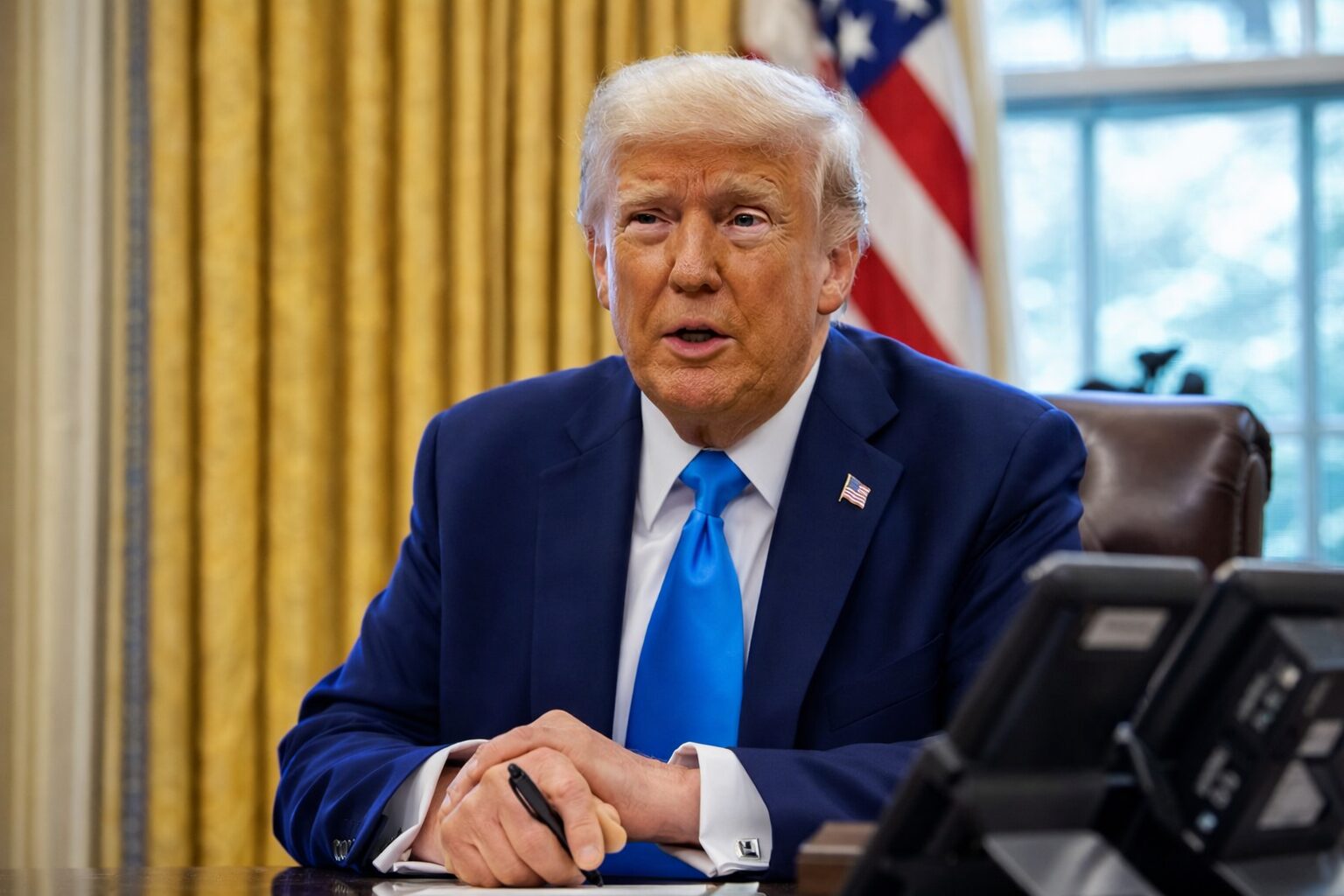
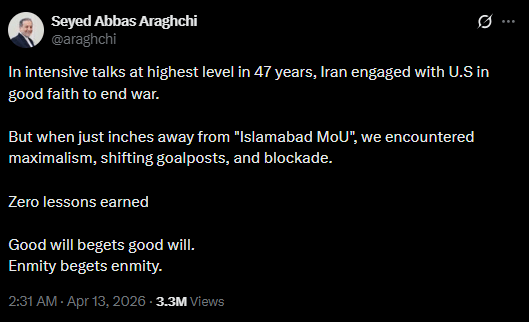
US President Donald Trump said during an Oval Office address that Iran is conducting “absolutely no business” under the current US naval blockade, while confirming that no active fighting is taking place. He stated that the blockade remains fully enforced, targeting maritime activity linked to Iranian ports. Trump also claimed that Iran’s navy, air force, radar systems and air defenses had been eliminated, though independent confirmation of those claims has not been provided. The blockade was introduced after recent diplomatic efforts failed to produce an agreement.
President Trump was speak from the Oval Office
Iran Contacted US Seeking Deal After Pakistan Talks Failed
Trump said Iranian representatives had reached out to Washington after negotiations in Pakistan ended without a deal over the weekend. He noted that the US position remains unchanged, insisting Iran must agree to abandon nuclear weapons ambitions. According to Trump, failure to accept these terms would prevent any future agreement.
Disclaimer
This content is for informational purposes only and does not constitute financial, investment, or legal advice. Cryptocurrency trading involves risk and may result in financial loss.
Stack BTC, the Aquis Exchange listed Bitcoin treasury firm chaired by former UK Chancellor Kwasi Kwarteng, purchased 37 Bitcoin worth 2 million British pounds (about $2.7 million) on April 13. The filing showed the purchase was made at an average price of about $72,385 per coin, bringing total holdings to 68.1898 BTC. The company said the acquisition marks the start of a longer-term Bitcoin treasury strategy.
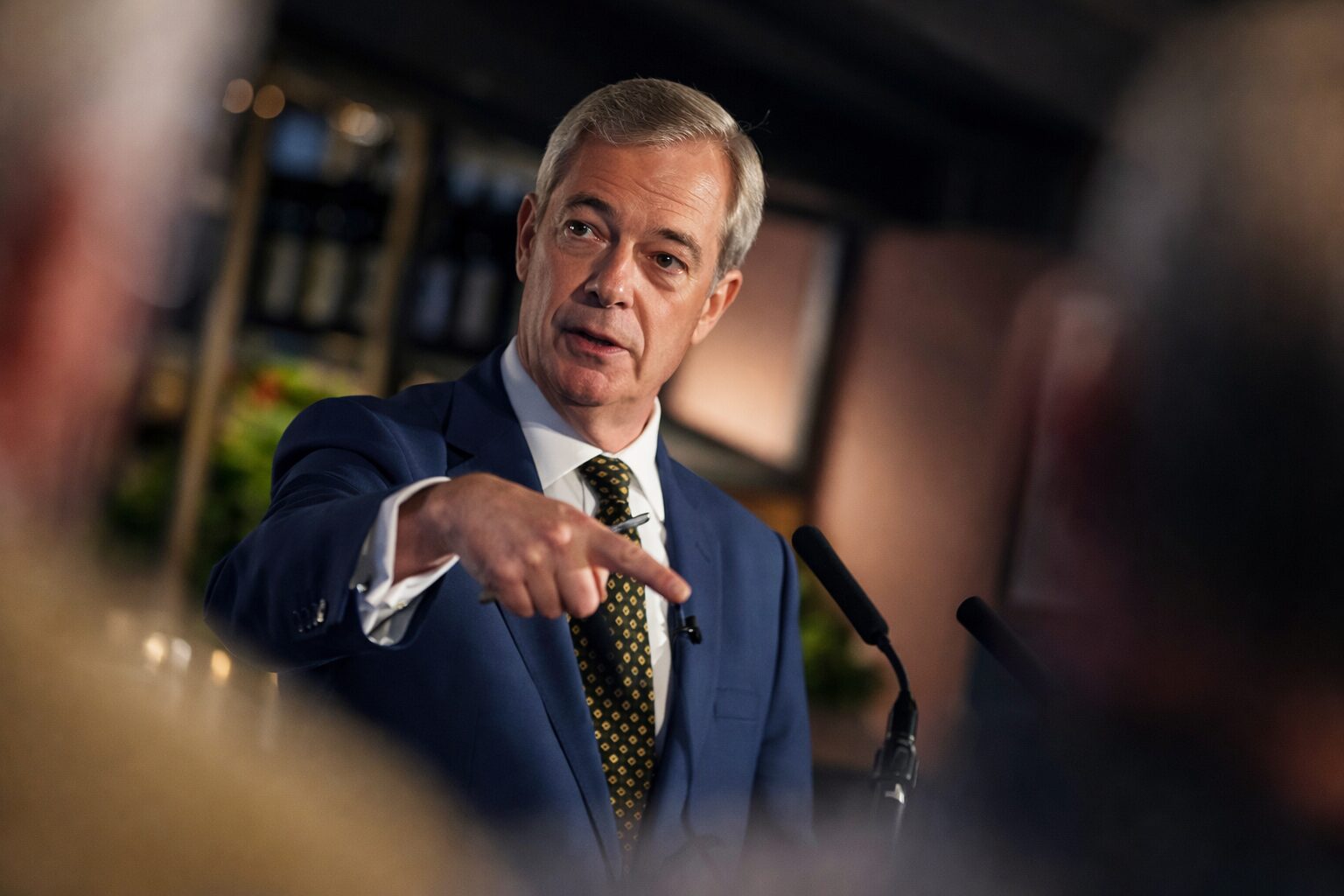
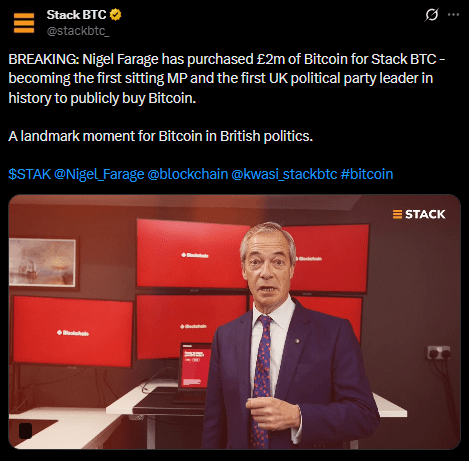
The move deepens ties with Nigel Farage, leader of Reform UK, who previously invested about $286,000 in Stack BTC and acquired a minority 6.31% stake in March alongside Kwarteng. The company described his involvement as a landmark moment, making Farage the first sitting UK member of parliament and political party leader to publicly back Bitcoin through a treasury linked company.
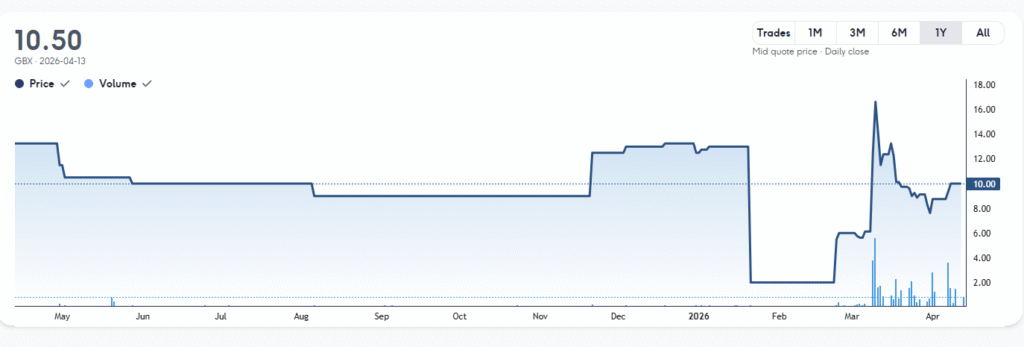
Stack BTC shares (STAK) rose 7.5% to $14.43 from $13.43, after strong March trading ranked it the number-one traded stock on Aquis. Meanwhile, UK policymakers are advancing plans to temporarily ban crypto donations to political parties after Reform UK raised about $18 million in crypto-linked funding during 2025.
Stack BTC’s share price (STAK) rose 7.5% on Monday
Disclaimer
This content is for informational purposes only and does not constitute financial, investment, or legal advice. Cryptocurrency trading involves risk and may result in financial loss.
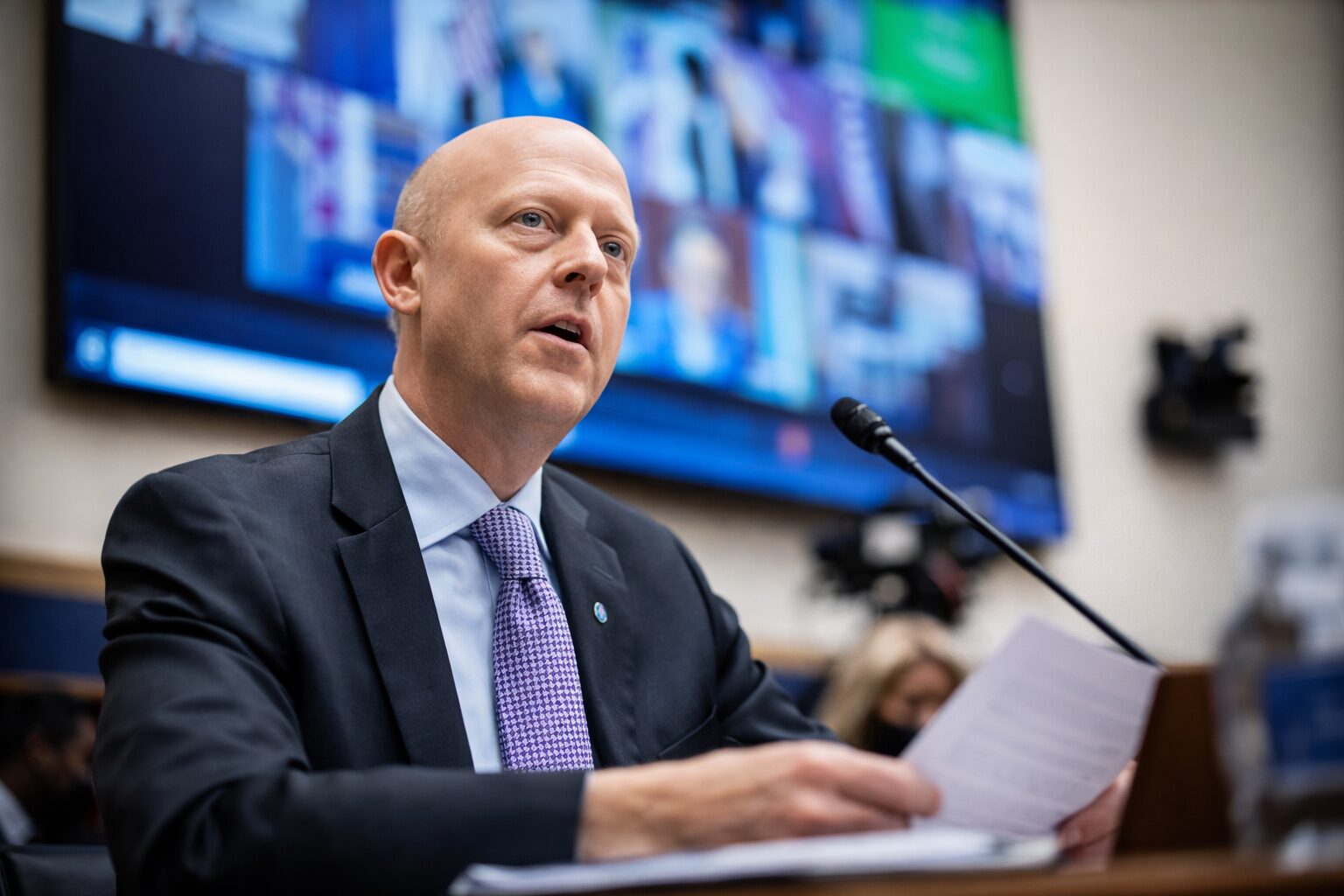
Jeremy Allaire, chief executive of Circle, said the company freezes USDC wallets only when directed by courts or law enforcement, rejecting calls for immediate intervention during hacking incidents. Speaking at a press conference in Seoul, Allaire emphasized that USDC operates as a regulated financial product and must follow legal procedures rather than discretionary decisions during active exploits.
Allaire stated that wallet blacklisting or freezing actions require a formal legal basis, positioning the policy as part of Circle’s strategy to align closely with regulatory frameworks. He argued that acting without official directives could undermine the rule-of-law foundation that governs regulated digital financial products.
Critics Point to Hundreds of Millions in Unfrozen Stolen Funds
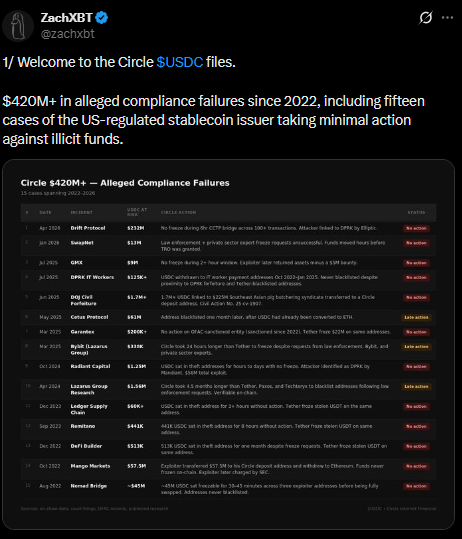
Blockchain investigator ZachXBT has criticized Circle’s approach, claiming delays have allowed more than $420 million in illicit funds to escape since 2022. He highlighted incidents affecting platforms such as Drift Protocol, where a suspected North Korea-linked exploit earlier this month resulted in losses of up to $280 million, including roughly $230 million in USDC transferred across multiple chains.
ZachXBT also referenced past exploits involving Ledger, Remitano, Nomad, Cetus, and SwapNet, where stolen USDC allegedly remained in traceable wallets for extended periods without intervention.
Debate Grows Over Centralization Risks in DeFi
While critics push for faster responses, others warn about the risks of excessive control. Omid Malekan argued that allowing stablecoin issuers to freeze funds without legal mandates could weaken trust in decentralized finance systems. He noted that discretionary freezes could shift authority from transparent legal frameworks to corporate decision-making, potentially undermining the foundational principles of decentralized finance.
Disclaimer
This content is for informational purposes only and does not constitute financial, investment, or legal advice. Cryptocurrency trading involves risk and may result in financial loss.
Foundry Digital has launched a new Zcash mining pool that quickly captured about 30% of total network hashrate, according to company data and its new block explorer. The pool was first announced in March, with multiple institutional miners joining before its public release.
Alongside the mining pool, Foundry introduced Zcashinfo.com, a block explorer that tracks real-time mining data including hashrate distribution, pool rankings, block production, and difficulty levels. The platform is designed to improve transparency for institutional participants monitoring network performance.
Zcash, launched in 2016, uses zero-knowledge proofs known as zk-SNARKs to validate transactions without revealing sender, receiver, or amount. Like Bitcoin, it operates on proof-of-work mining with a fixed 21 million supply, but features faster ~75-second block times and the memory-heavy Equihash algorithm.
Institutional Mining and PPLNS Rewards Model
Foundry said its pool is open to regulated institutional miners and uses a pay-per-last-N-shares (PPLNS) reward system to calculate payouts based on miner contribution over time. The rapid growth to 30% hashrate highlights rising institutional interest in structured, compliant mining infrastructure and the increasing influence of large pools in network security.
Disclaimer
This content is for informational purposes only and does not constitute financial, investment, or legal advice. Cryptocurrency trading involves risk and may result in financial loss.
Iran is reportedly reviewing a proposal to abandon uranium enrichment as part of conditions to end the ongoing conflict with the United States, according to reports citing unnamed officials.
US asked Iran to freeze uranium enrichment for 20 years according to Axios.The issue of uranium enrichment remains central to Washington’s negotiating demands, and any acceptance by Tehran could ease military tensions and open a new phase of diplomatic talks.
The proposal follows recent discussions linked to the Islamabad Talks 2026, described as the first direct engagement between the two countries in more than a decade and the highest-level contact since the Iranian Revolution. The talks came after a fragile two-week ceasefire intended to halt six weeks of fighting that disrupted regional stability and energy supplies.
US Naval Blockade Intensifies Tensions in Strait of Hormuz
Meanwhile, Donald Trump confirmed that a naval blockade began after a set deadline, targeting vessels entering or leaving Iranian ports. The operation is being carried out across waters connected to the Strait of Hormuz, a critical passage that handles roughly 20% of global oil shipments.
US Central Command said that the blockade would be enforced against vessels accessing Iranian ports along the Arabian Gulf and Gulf of Oman. However, ships traveling to and from non-Iranian ports through the strait are expected to continue operations without obstruction. The US Navy has also begun clearing naval mines reportedly deployed in the region.
Trump warned that vessels approaching the blockade could face immediate military action, while also stating that US forces would intercept ships that paid tolls to Iran. He further suggested the possibility of renewed limited strikes, signaling that military escalation remains under consideration.
Iranian Response Warns of Wider Regional Risks
Iranian armed forces issued statements asserting their sovereign rights over territorial waters and criticized the blockade as an illegal act. Officials warned that if the safety of Iranian ports were threatened, security across regional ports could also be affected.
Markets remain highly sensitive to developments surrounding nuclear negotiations and maritime security, as progress or setbacks in talks could significantly influence Middle East stability, global energy flows, and financial market volatility.
Disclaimer
This content is for informational purposes only and does not constitute financial, investment, or legal advice. Cryptocurrency trading involves risk and may result in financial loss.
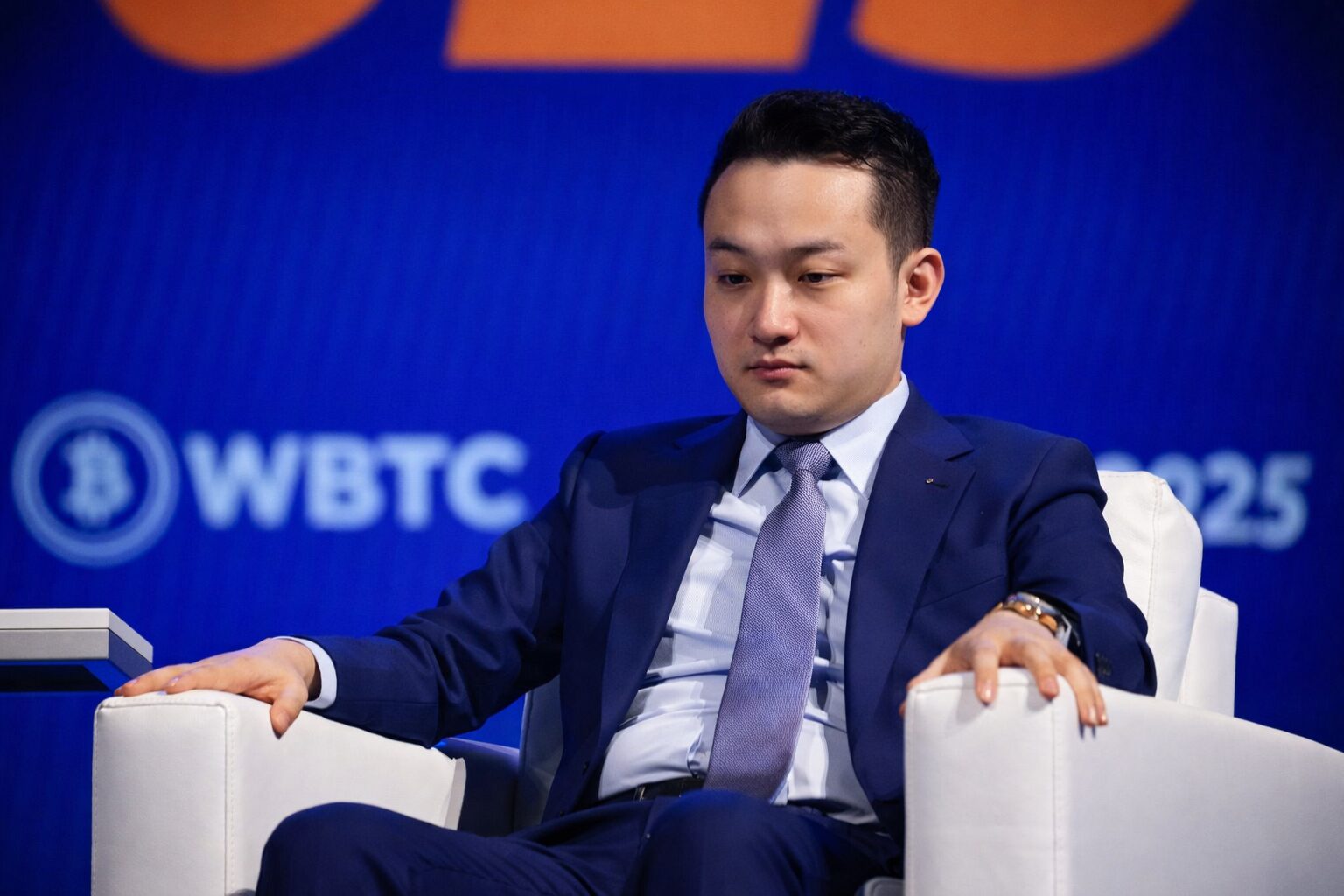
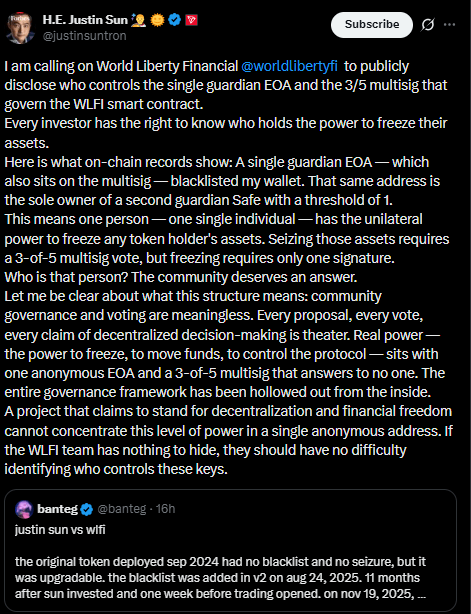
Justin Sun urged the Trump linked World Liberty Financial to disclose who controls the guardian externally owned account (EOA) and multisignature wallets governing its smart contracts. In a recent statement shared on X, Sun alleged that a single guardian EOA tied to WLFI’s multisig appeared to be the sole owner of a second guardian safe, potentially granting one individual unilateral authority to freeze token holders. WLFI has not publicly responded to the technical details of these claims.
The dispute follows the September 2025 blacklisting of Sun’s WLFI wallet address after blockchain monitoring platforms flagged a transfer valued at roughly $9 million. Sun said his presale tokens were frozen without proper justification and called on the project to unlock his investment. In response, WLFI accused Sun of spreading baseless allegations and warned of possible legal action.
Governance Concentration and Collateral Moves Add Market Pressure
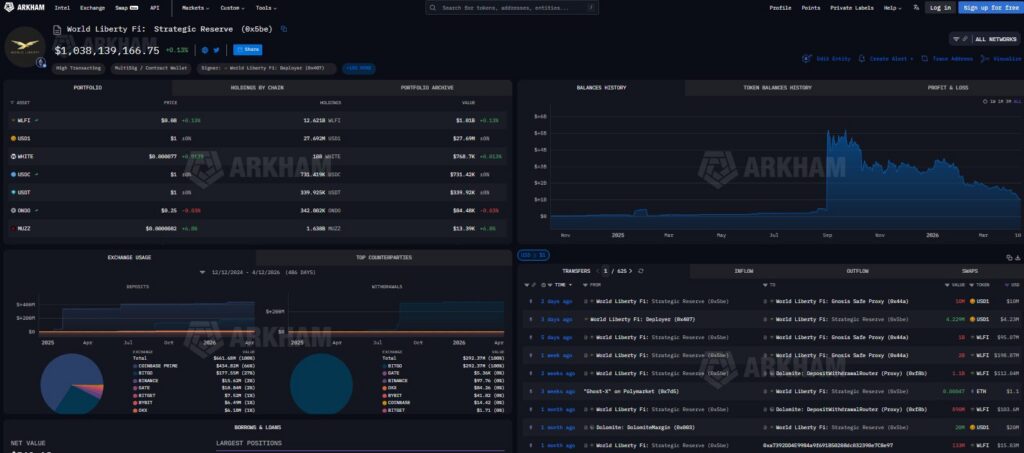
Concerns about governance intensified after a March vote showed that 76% of total voting power originated from just ten wallets, highlighting potential centralization risks. At the same time, on-chain data flagged by Arkham revealed that WLFI-linked wallets deposited about 5 billion WLFI tokens as collateral on Dolomite, a platform linked to WLFI chief technology officer Corey Caplan.
These deposits enabled borrowing of approximately $75 million in stablecoins, including USD1 and USDC, with more than $40 million transferred to Coinbase Prime. Several decentralized finance analysts warned that lenders could face risk if WLFI’s token price declines toward liquidation thresholds. WLFI acknowledged the lending position and maintained that the token remains above liquidation levels, though its price recently dropped to around $0.077, reflecting growing investor concerns over governance transparency and treasury management.
Disclaimer
This content is for informational purposes only and does not constitute financial, investment, or legal advice. Cryptocurrency trading involves risk and may result in financial loss.
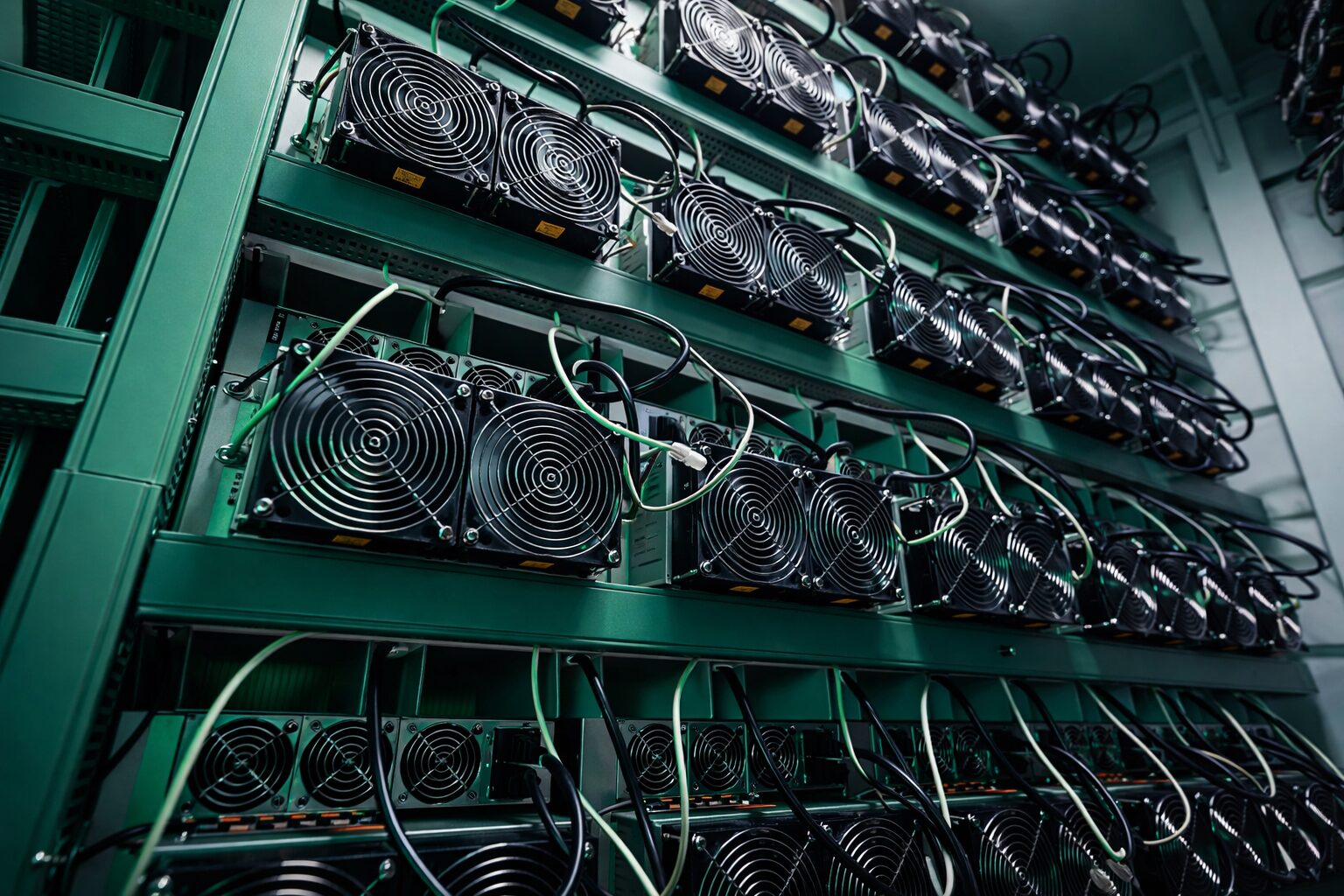
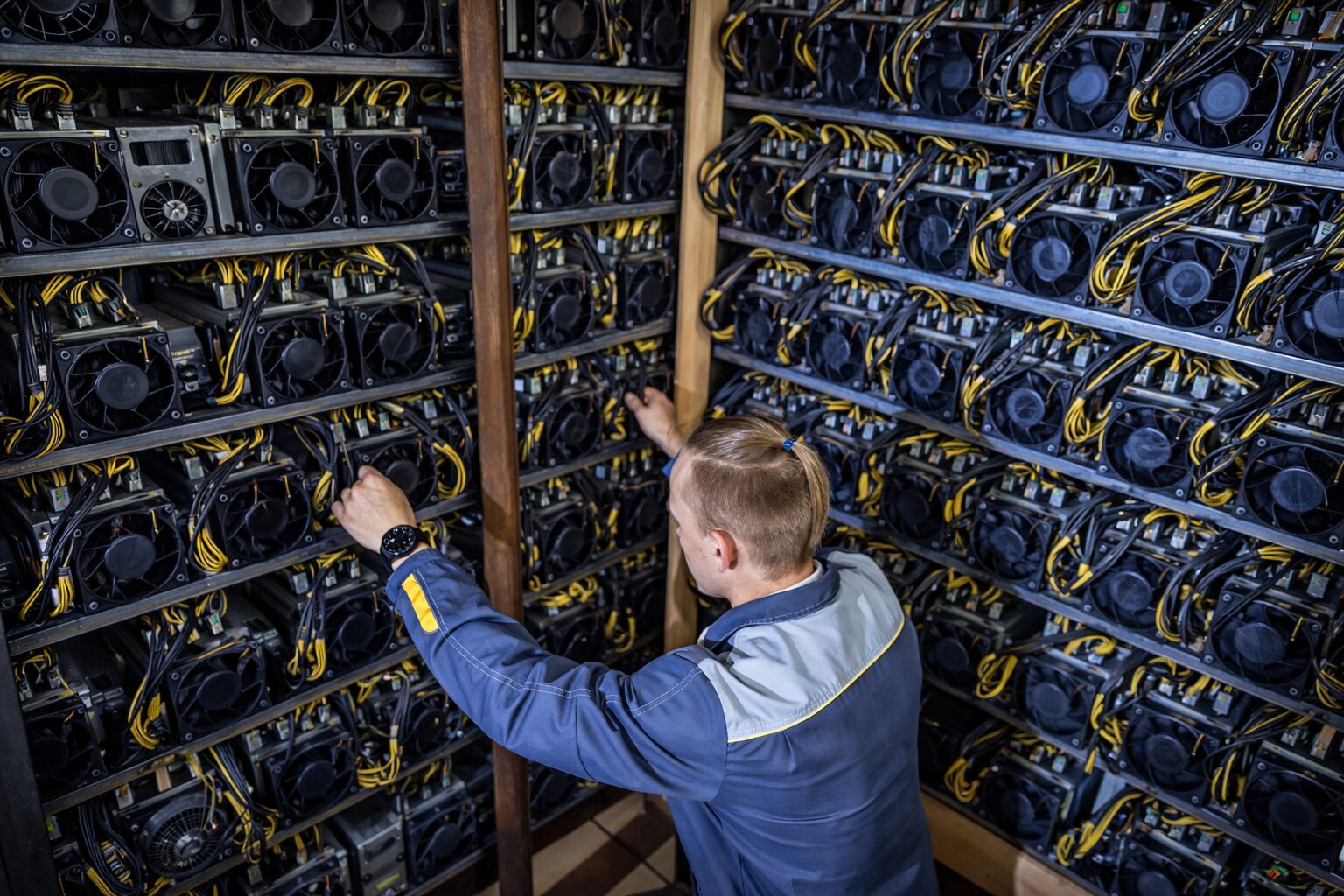
Bitcoin mining and artificial intelligence may be heading in opposite directions when it comes to decentralization, according to Galaxy Research head Alex Thorn. He noted that Bitcoin mining, which initially began as a highly decentralized activity using personal computers, has gradually shifted toward industrial-scale operations dominated by ASIC hardware and large mining farms, increasing centralization pressure over time.
bitcoin mining began decentralized (CPUs, GPUs) and became centralized (ASICs, industrial-scale farms)
AI may follow the opposite path: it started centralized in giant hosted clusters, but as frontier model gains slow (from data scarcity, context limits, and memory bottlenecks)… pic.twitter.com/J2indQsTt8
Thorn argued that AI is evolving differently. He said AI systems started out centralized in large cloud-based data centers, but are now being pushed toward decentralization as open-source models improve. Factors such as data scarcity, context limitations, and memory constraints are encouraging the development of smaller, more efficient models that can run locally on devices, potentially shifting AI toward edge-based computing.
Edge AI Growth Could Reshape Computing Infrastructure
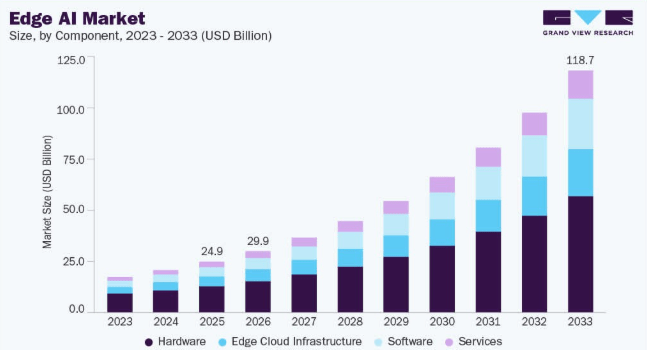
Edge AI refers to running artificial intelligence models directly on local devices instead of centralized servers. According to industry research, the global edge AI market is expected to grow from around $25 billion in 2025 to about $119 billion by 2033, driven by rising demand for low-latency processing, IoT expansion, and data privacy concerns.
Edge AI market is predicted to surge by 300% by 2033.
Bitcoin Mining Faces Geographic and Cost-Driven Shifts
At the same time, Bitcoin mining is experiencing geographic redistribution. Rising energy costs in the United States have pushed mining expenses above $100,000 per BTC in some regions, making operations less viable. As a result, mining activity is shifting toward energy-rich regions such as Paraguay and Ethiopia, where surplus hydroelectric power offers cheaper production costs.
While this migration may diversify mining globally, analysts note that hardware concentration and industrial-scale operations still present centralization risks, even as geographic distribution improves network resilience.
Disclaimer
This content is for informational purposes only and does not constitute financial, investment, or legal advice. Cryptocurrency trading involves risk and may result in financial loss.
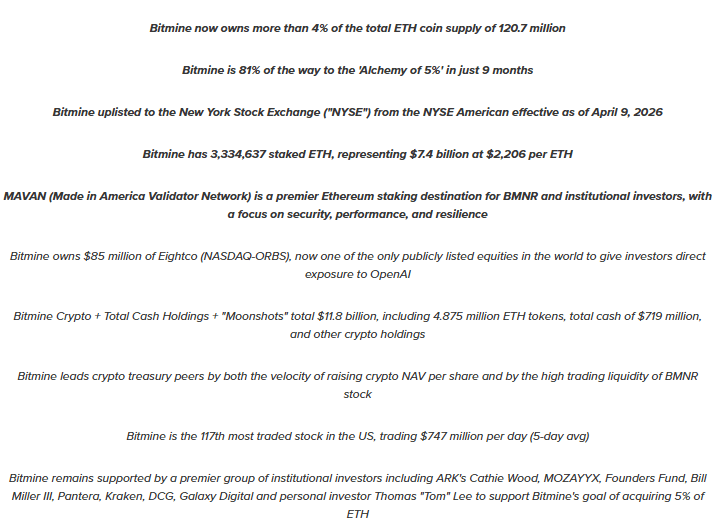
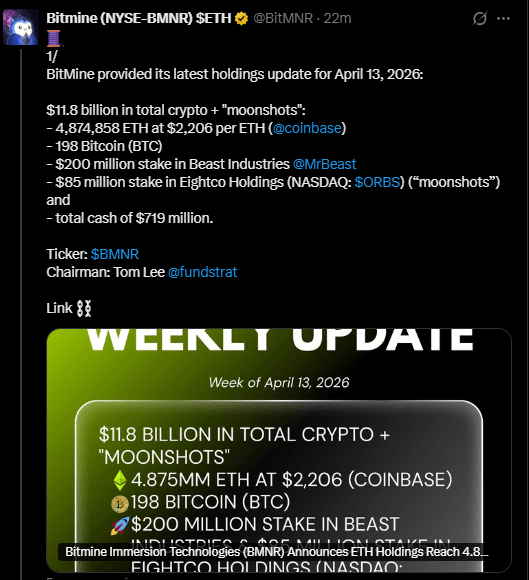
Bitmine Immersion Technologies has accumulated 4.87 million Ethereum, valued at about $10.7 billion, making it the largest corporate ether treasury globally. The company is now roughly 81% of the way toward its stated goal of controlling 5% of total ETH supply, according to its latest update.
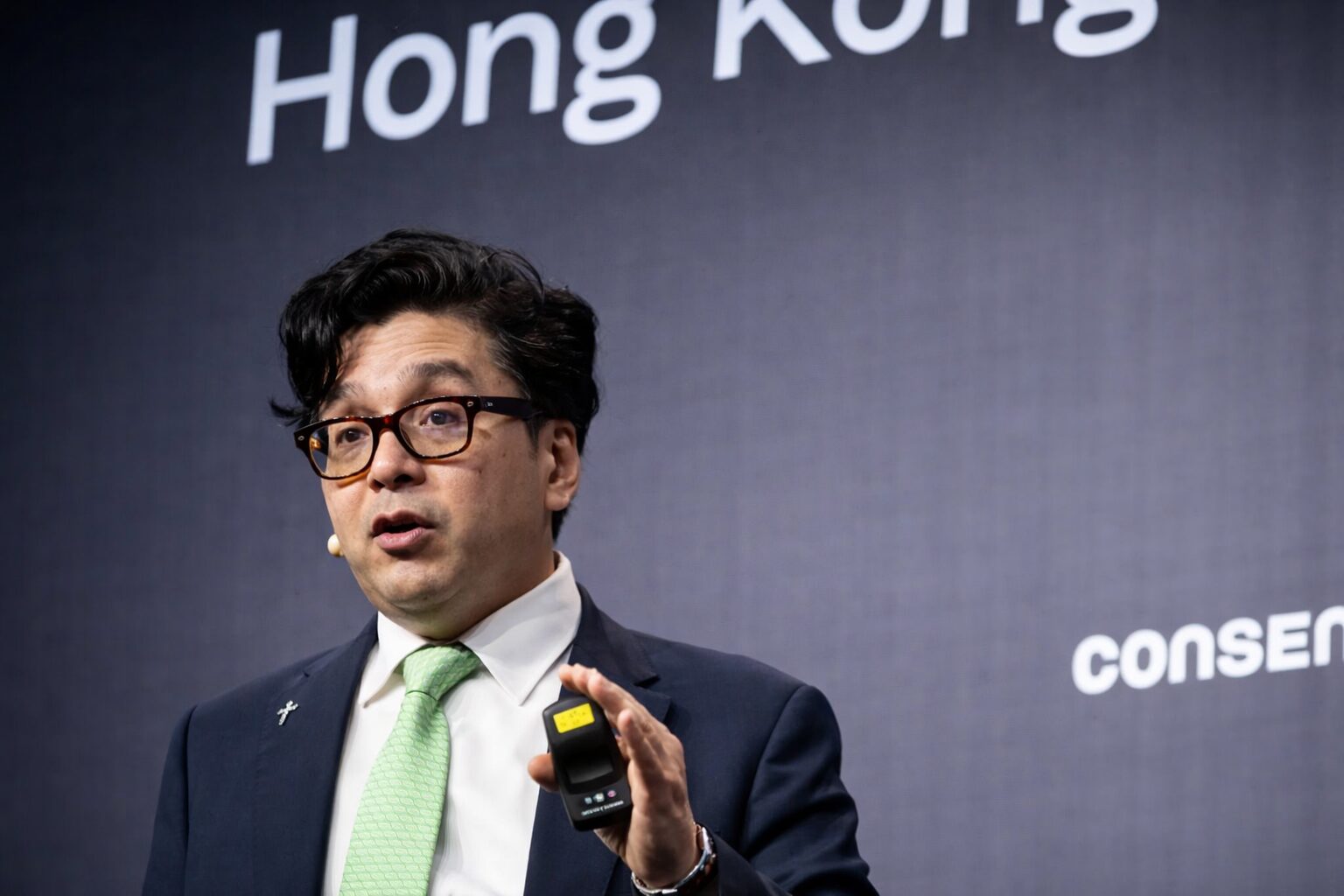
Chairman Tom Lee described ether as a “wartime store of value,” pointing to its relative strength during recent geopolitical tensions. He noted that ETH has risen about 17.4% since the Iran conflict began, outperforming both equities and gold by wide margins.
Bitmine has staked 3.33 million ETH, representing about 68% of its holdings, generating approximately $212 million in annualized staking revenue at a reported 2.89% yield. The company’s total assets, including cash and equity positions labeled “moonshots,” stand at $11.8 billion, which includes $719 million in cash and strategic investments such as a stake in Beast Industries and a position in Eightco Holdings.
Aggressive Accumulation Strategy and Market Positioning
Bitmine purchased 71,524 ETH in its latest weekly accumulation, continuing a multi-week buying streak. Lee said the firm believes Ethereum is entering the final phase of a “mini-crypto winter” and expects stronger upside driven by institutional adoption and blockchain-based financial infrastructure.
The company recently listed on the New York Stock Exchange, trading under the ticker BMNR. It now ranks as the second largest crypto treasury overall after Strategy, highlighting the growing concentration of digital assets in corporate balance sheets.
Disclaimer
This content is for informational purposes only and does not constitute financial, investment, or legal advice. Cryptocurrency trading involves risk and may result in financial loss.
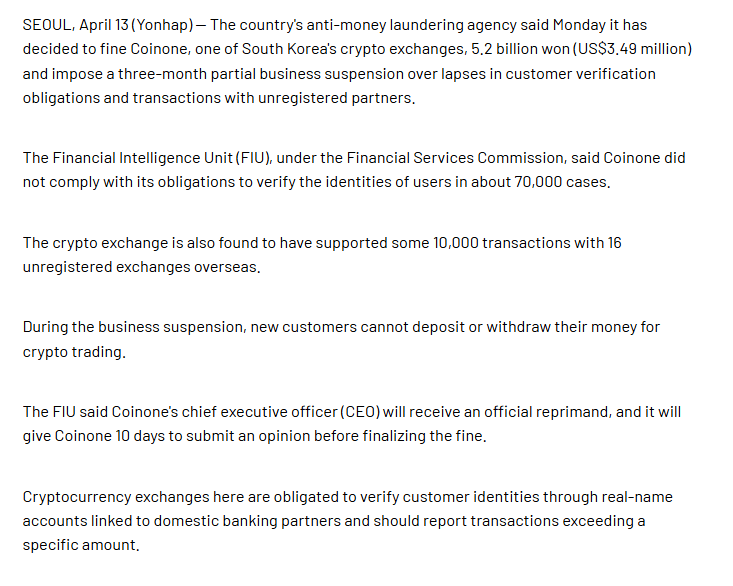
South Korea’s Financial Intelligence Unit (FIU) has reportedly fined crypto exchange Coinone 5.2 billion won (about $3.5 million) and imposed a three month partial business suspension over anti money laundering (AML) violations, according to local media reports. The FIU operates under the Financial Services Commission and is responsible for enforcing compliance standards across virtual asset service providers.
The suspension is set to run from April 29 to July 28. During this period, Coinone will be prohibited from allowing new customers to deposit or withdraw funds for crypto trading, while existing users will still be able to trade normally, according to reports.
Thousands of Identity Verification Failures Identified
The regulator found approximately 70,000 cases of identity verification failures, including incomplete or inconsistent customer information. Reports also indicated around 40,000 instances of customer due diligence issues and roughly 30,000 transaction restriction violations where required verification procedures were not properly enforced.
In addition, Coinone allegedly conducted about 10,000 transactions with 16 unregistered overseas crypto exchanges, raising further compliance concerns. The exchange’s chief executive is expected to receive an official reprimand, and the firm has been given 10 days to submit a formal response before the penalties are finalized.
Wider AML Crackdown in South Korea’s Crypto Sector
The action against Coinone follows similar enforcement measures against Bithumb, which recently faced suspension notices over AML violations and dealings with unregistered overseas operators. Regulators have intensified oversight of South Korea’s crypto exchanges amid growing concerns about compliance gaps and cross-border transaction risks.
Disclaimer
This content is for informational purposes only and does not constitute financial, investment, or legal advice. Cryptocurrency trading involves risk and may result in financial loss.
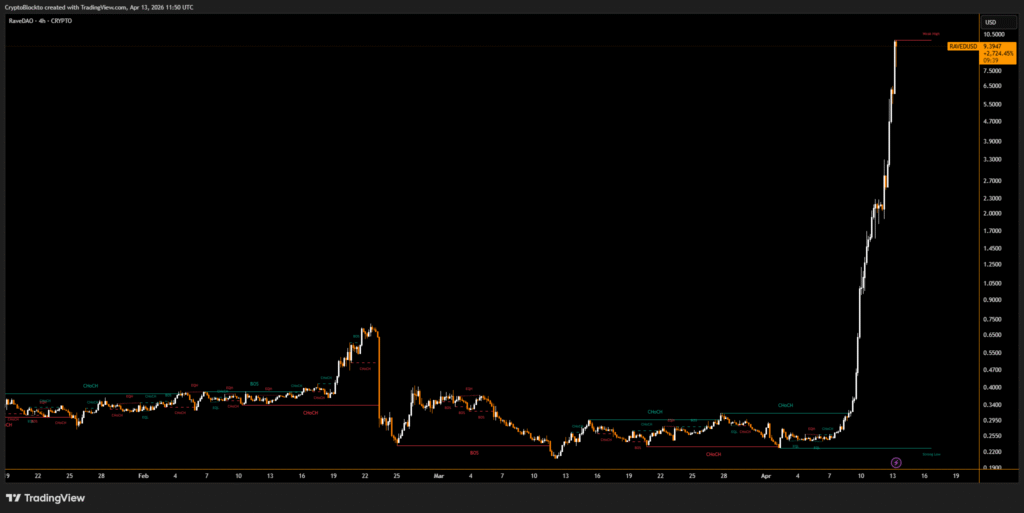
The price of RaveDAO has surged an extraordinary 3,765% over the past seven days, attracting intense attention from traders and market analysts. A large share of the trading activity was concentrated on derivatives markets at Binance and OKX Futures, where combined trading volume reportedly exceeded $13 billion. Such unusually high derivatives volume relative to circulating supply has raised concerns about whether the move reflects genuine demand or coordinated speculative activity.
$RAVED 4H PRICE CHART
Analysts Warn of Possible Market Manipulation Tactics
Several market observers have described the trading pattern as a potential deception tactic commonly associated with pump-and-dump structures. According to this view, large token deposits created the appearance of heavy selling pressure, encouraging traders to open short positions against the token. Once sufficient short exposure built up, aggressive spot buying began, reversing the trend and forcing short sellers to close positions rapidly.
Low Circulating Supply Amplifies Short Squeeze Risk
The token’s circulating supply is estimated at only 23% to 25% of total issuance, making price swings more extreme. In markets with tight liquidity, even moderate buying pressure can drive rapid price spikes. Analysts noted that the combination of low supply, heavy derivatives activity, and sudden spot accumulation likely triggered a violent short squeeze, accelerating the upward price movement and intensifying volatility across trading platforms.
Disclaimer
This content is for informational purposes only and does not constitute financial, investment, or legal advice. Cryptocurrency trading involves risk and may result in financial loss.