Category: News

  • Trump-Linked Crypto Tokens Crash to Record Lows, Triggering Political and Investor Backlash

    Trump-Linked Crypto Tokens Crash to Record Lows, Triggering Political and Investor Backlash

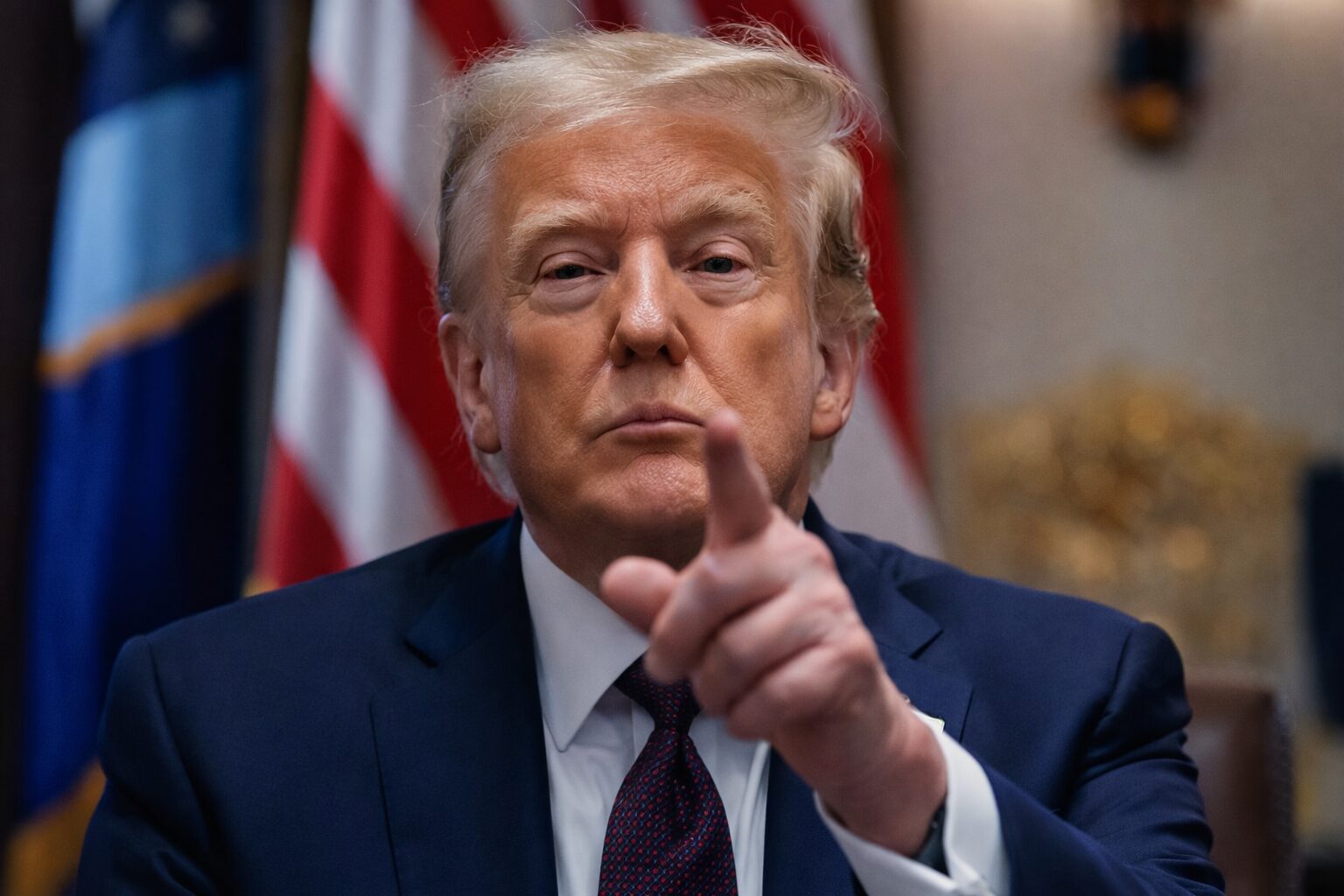
    Crypto tokens linked to U.S. President Donald Trump are facing renewed scrutiny after sharp price declines pushed several projects to record lows. The Official Trump (TRUMP) memecoin, launched in January 2025, dropped to an all-time low of about $2.73 in March 2026 and is currently trading near $2.86, according to market data.
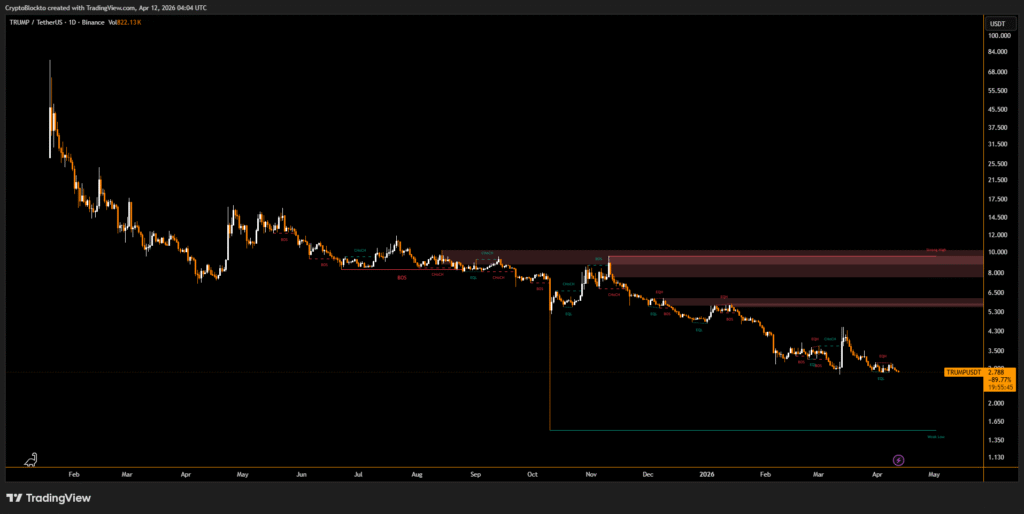
    TRUMP memecoin has plummeted in price since launching in January 2025

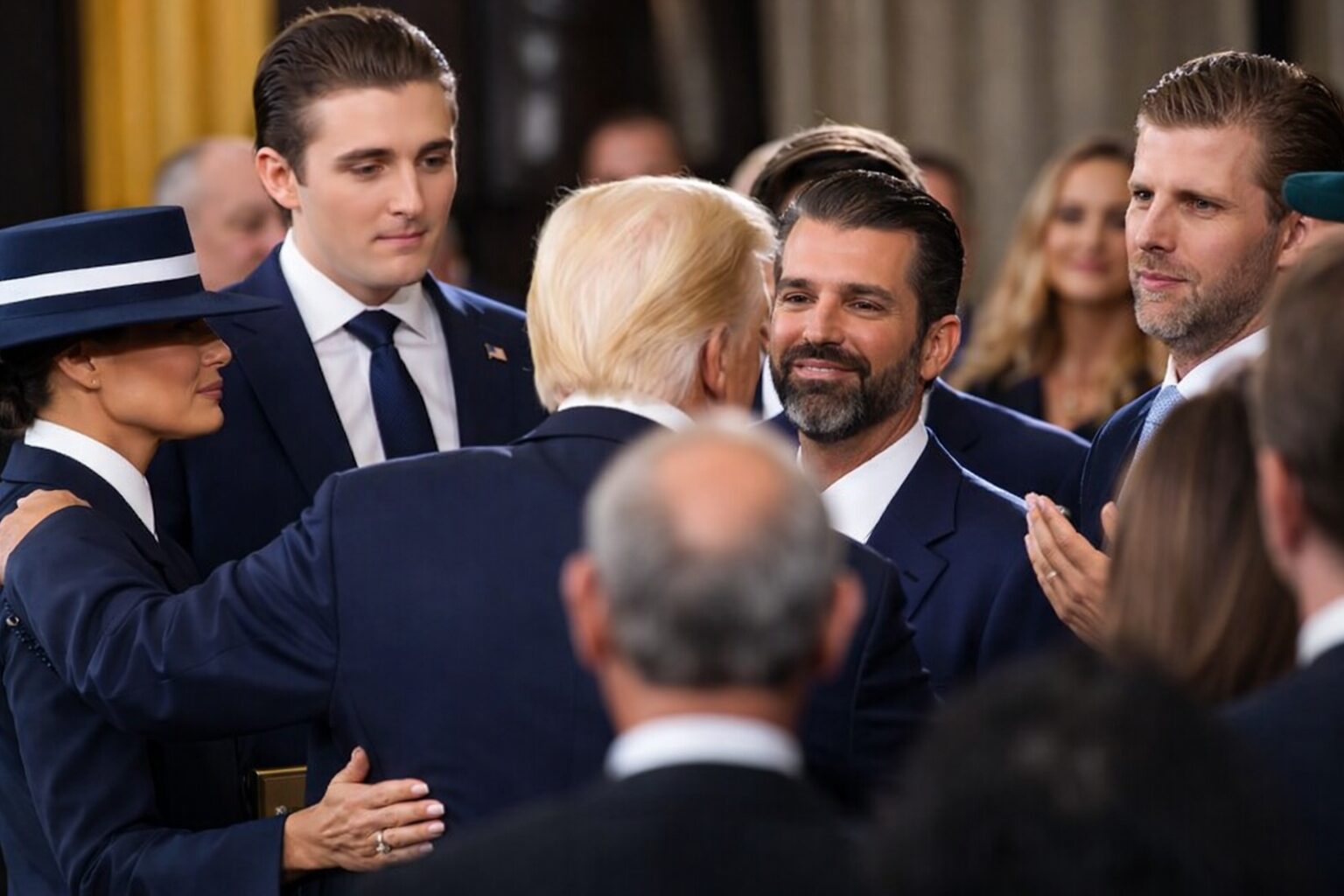
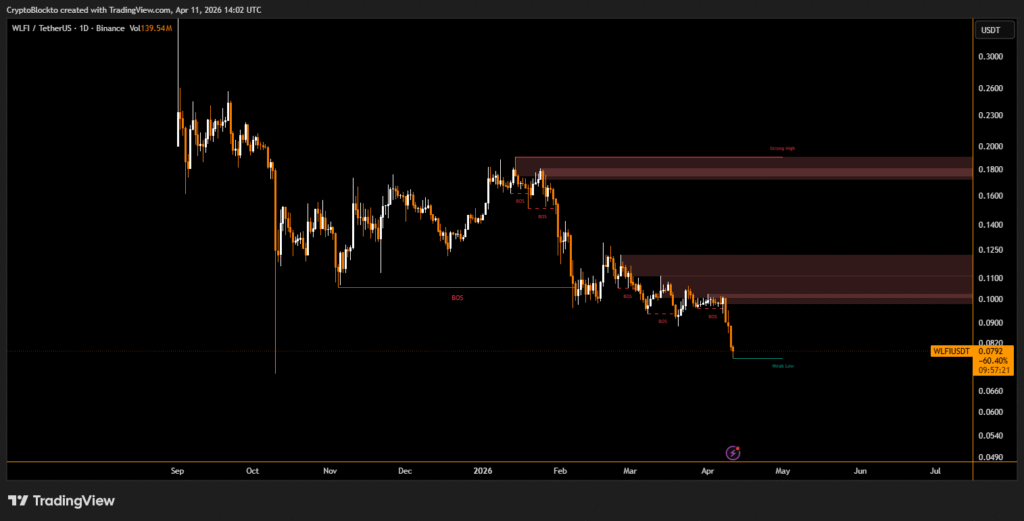
    The token has lost around 90% of its value from its January 2025 peak above $73, raising concerns among investors and political critics. Meanwhile, World Liberty Financial (WLFI), a decentralized finance platform co-founded by Trump’s sons, saw its governance token fall to $0.07, marking a new low. The WLFI token has declined nearly 75% from its September 2025 high of approximately $0.31.
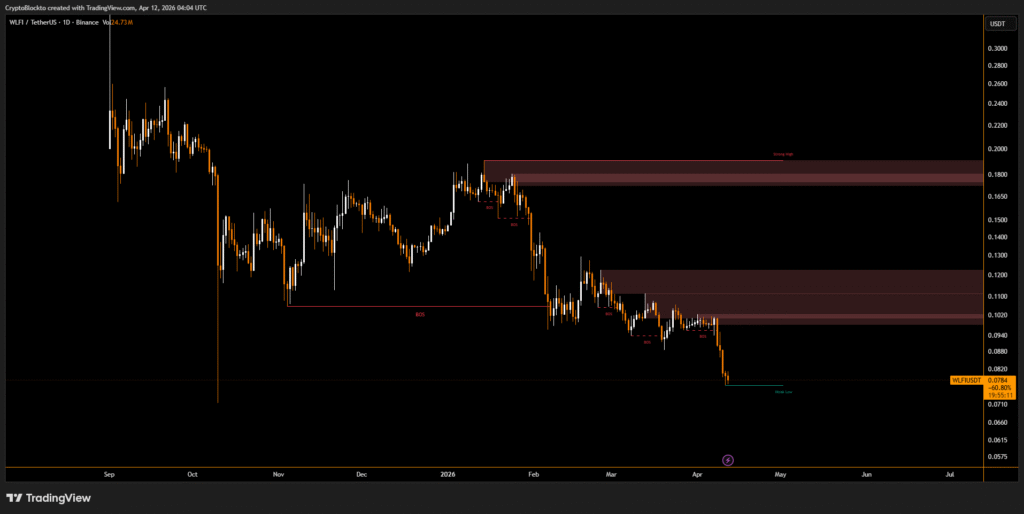
    The WLFI token has crashed by nearly 75% since the all-time high reached in September 2025

    Lawmakers and Critics Raise Concerns Over Token Promotions

    Democratic lawmakers and crypto industry observers have intensified criticism, describing some Trump-linked crypto initiatives as politically controversial and financially risky. Professor Tonya Evans publicly criticized the projects, comparing their impact to earlier industry controversies involving figures such as Sam Bankman-Fried and Gary Gensler.

    Senators Question Access-Based Gala for Token Holders

    Senators Elizabeth Warren, Richard Blumenthal, and Adam Schiff recently sent a letter to Bill Zanker, who launched the TRUMP memecoin, requesting clarification about a planned April 25 gala for token holders. Lawmakers argued that requiring attendees to hold TRUMP tokens could create financial incentives tied to political access, increasing regulatory and ethical scrutiny.

    Disclaimer

    This content is for informational purposes only and does not constitute financial, investment, or legal advice. Cryptocurrency trading involves risk and may result in financial loss.

  • SpaceX Holds $603 Million in Bitcoin Despite $5 Billion Loss Linked to xAI Integration

    SpaceX Holds $603 Million in Bitcoin Despite $5 Billion Loss Linked to xAI Integration

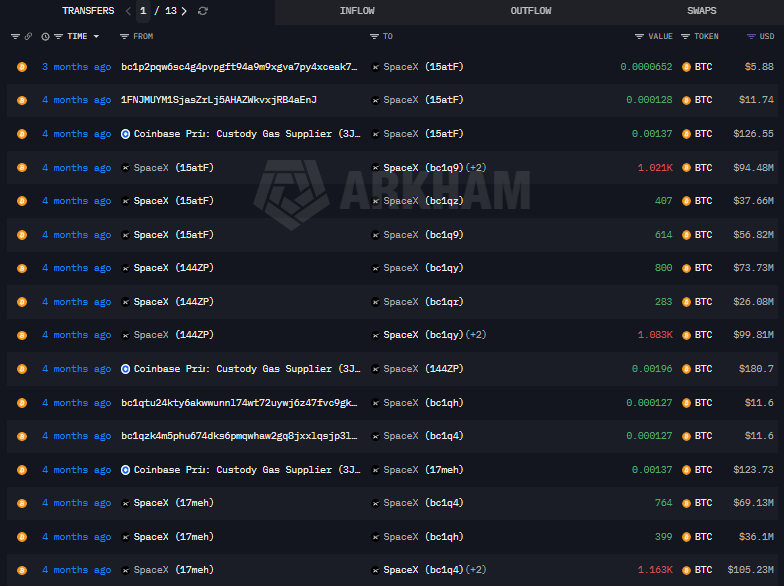
    SpaceX, led by Elon Musk, continues to hold 8,285 BTC valued at approximately $603 million in Coinbase Prime custody, even after reporting a nearly $5 billion loss for 2025. Blockchain analytics data shows the company has not reduced its bitcoin reserves, maintaining the same balance since mid-2024.

    The latest financial results mark a sharp reversal from the previous year, when SpaceX generated around $8 billion in profit on revenues estimated between $15 billion and $16 billion. Despite the downturn, 2025 revenue increased to $18.5 billion, indicating continued operational growth.

    xAI Integration Costs Drive Major Financial Reversa

    The primary factor behind the financial shift was the integration of Musk’s artificial intelligence venture, xAI, which SpaceX acquired in February 2025. Costs tied to combining operations pushed expenses beyond total revenue, leading to the company’s significant loss.

    Transfer records indicate the last notable bitcoin activity occurred about four months ago, when 614 BTC and 1,021 BTC were moved internally between SpaceX wallets. The company’s holdings previously peaked at over $1.6 billion in value during October 2025, when bitcoin reached an all-time high.

    SpaceX now ranks as the fourth largest known corporate bitcoin holder, behind Strategy, Marathon Digital, and Riot Platforms, reinforcing bitcoin’s role as a long-term treasury asset.

    Disclaimer

    This content is for informational purposes only and does not constitute financial, investment, or legal advice. Cryptocurrency trading involves risk and may result in financial loss

  • U.S. Navy Launches Mine Clearance Mission in Strait of Hormuz as Iran Talks Reach Stalemate

    U.S. Navy Launches Mine Clearance Mission in Strait of Hormuz as Iran Talks Reach Stalemate

    U.S. Forces Begin Mine Clearance Operations in Strait of Hormuz

    U.S. Central Command (CENTCOM) has launched operations to clear sea mines in the Strait of Hormuz, a vital global shipping corridor. The mission began on April 11, with two U.S. Navy guided-missile destroyers USS Frank E. Peterson (DDG 121) and USS Michael Murphy (DDG 112) transiting the waterway and conducting security operations in the Arabian Gulf.

    The operation is focused on establishing a new safe maritime passage after mines were reportedly laid by Iran’s Islamic Revolutionary Guard Corps. Additional U.S. resources, including underwater drones, are expected to support the clearance mission in the coming days.

    Diplomatic Talks Continue Amid Stalemate

    At the same time, U.S. and Iranian delegations have begun direct negotiations in Islamabad, hosted by Shehbaz Sharif. Both sides met separately with Pakistani leadership before talks began. However, negotiators reported a stalemate over control and security arrangements for the Strait of Hormuz.

    U.S. Vice President JD Vance expressed cautious optimism about progress but warned Iranian negotiators against delaying tactics. Meanwhile, Iranian parliament speaker Mohammad Bagher Ghalibaf stated that Iran is willing to negotiate but remains distrustful of U.S. intentions.

    Regional Tensions and Broader Negotiations Intensify

    Military activity continues across the region, including Israeli air strikes in southern Lebanon. Lebanese Prime Minister Nawaf Salam postponed a planned visit to Washington, where he was expected to meet U.S. Secretary of State Marco Rubio ahead of talks between Israeli and Lebanese representatives.

    Iran has also insisted that any lasting ceasefire must include the unfreezing of sanctioned Iranian assets and an end to Israeli military operations against Hezbollah. However, U.S. officials have denied reports that Washington agreed to release Iranian funds, stating that negotiations were still in early stages.

    Disclaimer

    This content is for informational purposes only and does not constitute financial, investment, or legal advice. Cryptocurrency trading involves risk and may result in financial loss

  • Crypto Clarity Act Has 30% Chance of Passing in 2026 Amid Bank Opposition and Political Uncertainty

    Crypto Clarity Act Has 30% Chance of Passing in 2026 Amid Bank Opposition and Political Uncertainty

    The proposed Crypto Clarity Act, designed to establish clear market structure rules for digital assets in the United States, currently has about a 30% chance of passing in 2026, according to Ron Hammond, head of policy at Wintermute. Hammond noted that while legislative movement continues, persistent uncertainty and shifting timelines remain major obstacles.

    His estimate closely aligns with other industry indicators. A Punchbowl survey of lobbyists placed the probability at 26%, while prediction platform Kalshi has shown fluctuating odds, highlighting ongoing uncertainty surrounding the bill’s future. Lawmakers are attempting to advance the legislation through committee, with some aiming for a vote around April 20, although Hammond cautioned that deadlines have repeatedly shifted.

    Bank Opposition and Stablecoin Yield Debate Remain Key Hurdles

    The largest resistance to the legislation comes from traditional banking institutions, particularly regarding whether stablecoins should offer yield. Negotiations involving major stakeholders, including Coinbase, the White House, and bill drafters, have failed to produce consensus. A previously proposed “yield deal” collapsed after failing to satisfy both banking groups and crypto advocates, forcing renewed negotiations.

    Political Pressure and Institutional Stakes

    Political challenges are also shaping the bill’s outlook. Hammond highlighted concerns among Democratic lawmakers, especially those who previously received crypto industry funding, as they navigate regulatory debates involving decentralized finance and anti-money laundering compliance.

    Additional scrutiny surrounding Donald Trump’s crypto related activities could further complicate support if investigations intensify later in the year. Despite these challenges, Hammond believes incremental progress in committees may keep the legislation alive into midyear, offering a narrow but viable path forward.

    Disclaimer

    This content is for informational purposes only and does not constitute financial, investment, or legal advice. Cryptocurrency trading involves risk and may result in financial loss.

  • AI Job Losses and Productivity Gaps Challenge Optimistic Executive Outlook

    AI Job Losses and Productivity Gaps Challenge Optimistic Executive Outlook

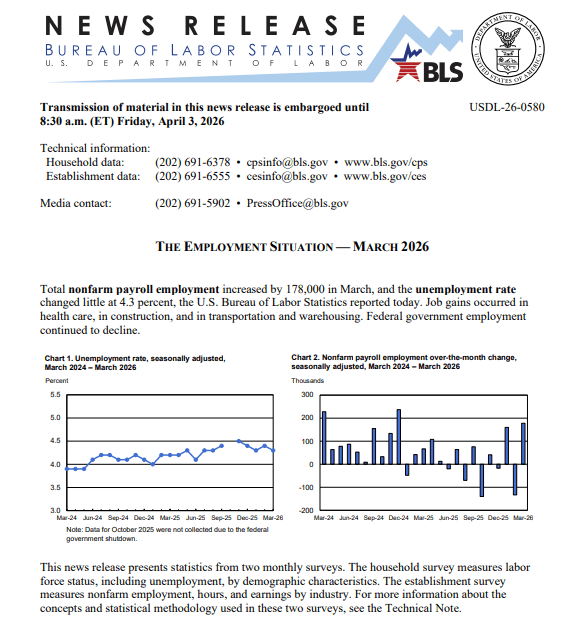
    Artificial intelligence is increasingly shaping hiring patterns, yet recent labor data shows mixed outcomes compared with earlier expectations of economic expansion. The US added 178,000 jobs in March, according to the Bureau of Labor Statistics, with most gains coming from healthcare (76,000 jobs), construction (26,000), transportation and warehousing (21,000), and social assistance (14,000). Technology-related roles showed weaker performance, with computer systems design losing around 13,000 positions.

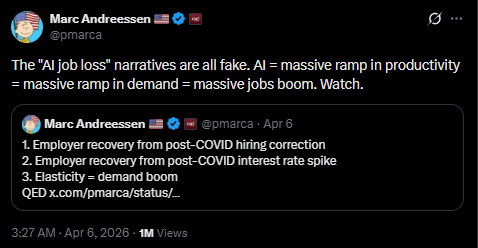
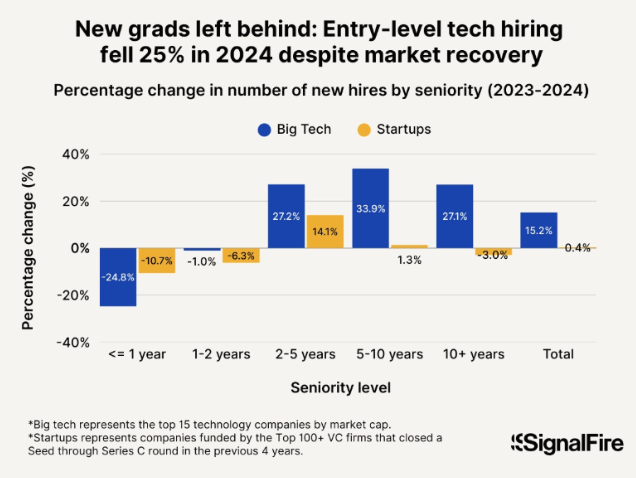
    Venture capitalist Marc Andreessen argued that fears of AI-driven job losses are exaggerated, noting that tech job listings have risen to about 67,000 since 2023. However, listings have not translated into consistent hiring. Reports cited by Goldman Sachs estimate that AI-related restructuring has eliminated roughly 16,000 jobs per month over the past year. Research from SignalFire also found that hiring of new graduates has dropped by nearly 50% compared with pre-pandemic levels.

    Productivity Benefits Remain Uneven Across Workplaces

    Executive enthusiasm for AI remains strong. Studies highlighted by Harvard Business Review show that 80% of leaders use AI weekly, with 74% reporting early positive returns. Yet worker experiences differ significantly. A survey by Mercer found 43% of employees feel their work has become more frustrating due to AI errors and workflow disruptions.

    Research from Workday suggests that for every 10 hours of efficiency gained, nearly four hours are lost correcting inaccurate outputs. Analysts such as Brian Solis have described this burden as an “AI tax,” emphasizing the additional rework, stress, and reduced trust associated with imperfect automation systems.

    Disclaimer

    This content is for informational purposes only and does not constitute financial, investment, or legal advice. Cryptocurrency trading involves risk and may result in financial loss

  • Crypto Payments to Iran Could Expose Shipping Firms to Sanctions Risks

    Crypto Payments to Iran Could Expose Shipping Firms to Sanctions Risks

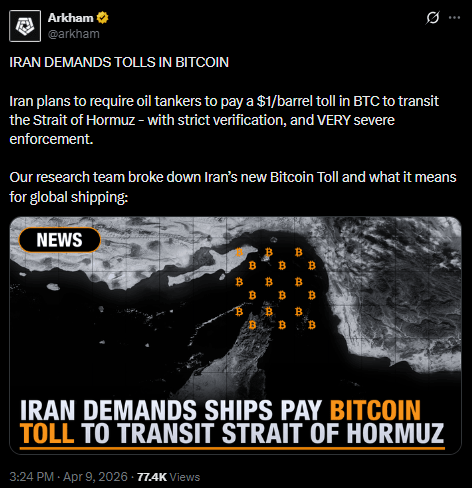
    Shipping companies considering crypto payments to Iranian authorities for transit access may face serious legal and financial consequences under existing sanctions rules. Analysts warn that payments tied to strategic waterways or logistics services could be interpreted as material support to sanctioned entities, particularly those linked to Iran’s security infrastructure.

    Under current international restrictions, transactions involving Iranian state-linked organizations may trigger enforcement actions across multiple jurisdictions. This risk is heightened by the possibility that entities associated with maritime control, including military-linked groups, remain subject to strict sanctions frameworks.

    Blockchain Transparency Makes Transactions Easier to Trace

    While cryptocurrency is often viewed as a tool for bypassing traditional banking systems, experts stress that blockchain transactions are not anonymous. Digital asset transfers leave permanent public records that investigators can analyze to identify payment trails.

    Authorities can track funds through wallet activity and monitor movement toward exchanges or service providers where assets may ultimately be converted into cash. At these conversion points, funds can potentially be frozen or seized, making crypto less effective for sanctions avoidance than commonly assumed.

    Iran Expands Crypto Use Amid Regional Pressure

    Recent data indicates that Iran’s Bitcoin mining output has dropped sharply, falling by roughly 7 exahashes per second to around 2 EH/s during the past quarter. Despite this decline, the global Bitcoin network remains stable, with overall hashrate holding near 1,000 EH/s, suggesting the disruption has remained largely localized.

    Disclaimer

    This content is for informational purposes only and does not constitute financial, investment, or legal advice. Cryptocurrency trading involves risk and may result in financial loss

  • Trump Linked World Liberty Financial Borrows $75 Million Using Its Own WLFI Token

    Trump Linked World Liberty Financial Borrows $75 Million Using Its Own WLFI Token

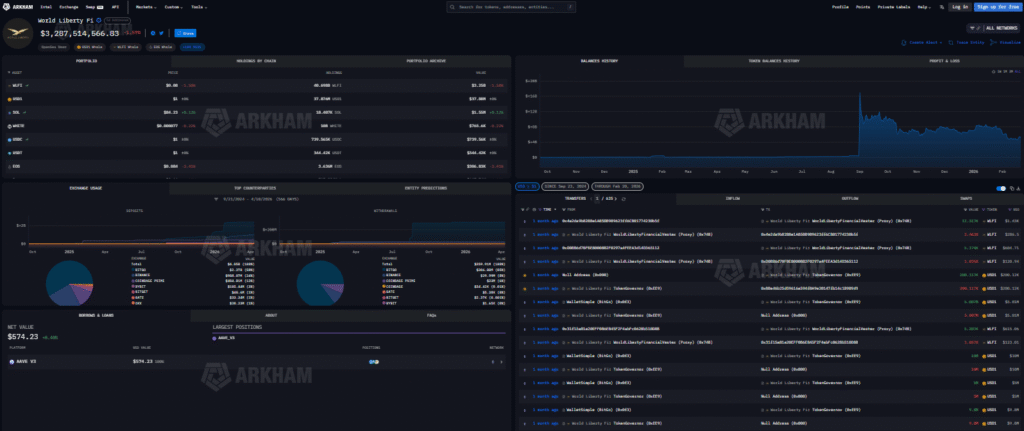
    World Liberty Financial has borrowed approximately $75 million using its own WLFI token as collateral on the Dolomite platform, raising concerns among decentralized finance users and analysts.

    The project reportedly deposited around 5 billion WLFI tokens into Dolomite and withdrew about $65.4 million in its native USD1 stablecoin along with $10.3 million in USDC. Following the transaction, WLFI’s price declined roughly 10%, reaching a record low near $0.0885.

    High Collateral Concentration Raises Liquidity Concerns

    Arkham data indicates that World Liberty Financial’s deposit now accounts for nearly 55% of Dolomite’s roughly $835 million total value locked. This sharp concentration pushed pool utilization to 100%, meaning depositors who supplied stablecoins to earn yield may temporarily face difficulty withdrawing their funds.

    Such heavy reliance on a single borrower increases systemic risk, particularly if the collateral token experiences further price declines. Market participants have expressed concern about the broader implications for platform stability.

    Governance Conflict Concerns Add to Market Scrutiny

    Criticism intensified due to governance ties between the two entities. Corey Caplan, who helped establish the lending platform in 2017, also serves as an advisor to World Liberty Financial, a role announced in August 2024.

    The project is associated with Donald Trump, placing additional public attention on the situation. Analysts note that overlapping roles between protocol leadership and borrowers can raise transparency and risk-management concerns within decentralized finance ecosystems.

    WLFI token down 65% over the past year
    Disclaimer

    This content is for informational purposes only and does not constitute financial, investment, or legal advice. Cryptocurrency trading involves risk and may result in financial loss.

  • Trump Claims Iran “Losing Big” as Iran talks in Islamabad have officially begun with VP Vance present

    Trump Claims Iran “Losing Big” as Iran talks in Islamabad have officially begun with VP Vance present

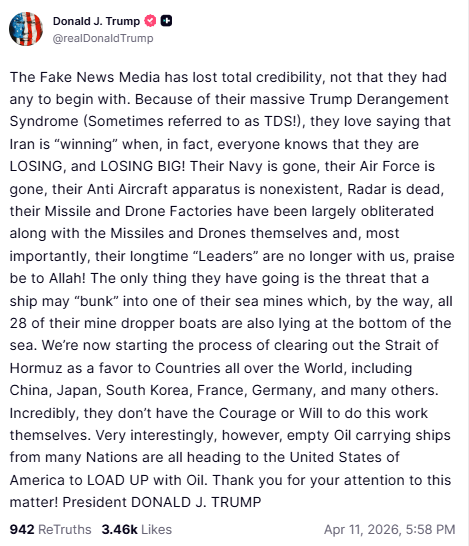
    Donald Trump continued posting sharp remarks online about Iran while diplomatic negotiations were underway in Islamabad. Writing on his social platform Truth Social, Trump rejected media reports suggesting Iran had gained an advantage, instead claiming the country was “losing big.”

    Trump listed what he described as heavy Iranian losses, asserting that large portions of Iran’s Navy, Air Force, radar systems, missile infrastructure, and drone factories had been destroyed. He also claimed that all 28 Iranian mine-laying boats were sunk, though such battlefield claims are often difficult to independently verify during active conflicts.

    Vance Leads US Delegation in Pakistan Peace Talks

    At the same time, formal negotiations were taking place in Pakistan, with JD Vance leading the American delegation. Pakistan’s prime minister Shehbaz Sharif met Vance in Islamabad as talks aimed at stabilizing Middle East tensions began.

    According to Fars News Agency, Iranian negotiators had also arrived and discussions officially started, marking a significant diplomatic moment following weeks of military escalation.

    Strait of Hormuz Clearance Efforts Underway

    Trump also stated that efforts were underway to clear mines from the Strait of Hormuz, a critical passage responsible for transporting a major share of global oil supplies. The clearance process is considered essential to restoring normal shipping traffic after recent disruptions linked to naval mine deployments.

    The simultaneous military claims and diplomatic engagement highlight the fragile nature of the ongoing ceasefire discussions. With negotiations continuing in Pakistan and public rhetoric intensifying, global observers remain focused on whether the talks can deliver a lasting reduction in regional tensions.

    Disclaimer

    This content is for informational purposes only and does not constitute financial, investment, or legal advice. Cryptocurrency trading involves risk and may result in financial loss.

  • Bitwise Moves Closer to Hyperliquid ETF Launch With Updated SEC Filing

    Bitwise Moves Closer to Hyperliquid ETF Launch With Updated SEC Filing

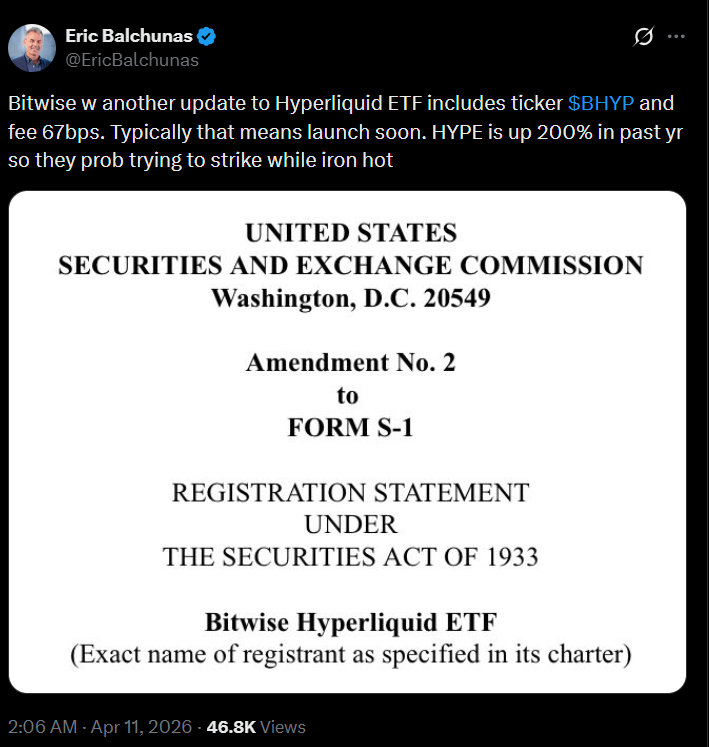
    Bitwise Asset Management has taken another step toward launching a spot ETF tied to Hyperliquid after submitting a second amended filing to the U.S. Securities and Exchange Commission.

    Bloomberg ETF analyst Eric Balchunas noted that the updated filing now includes the ticker “$BHYP” and a 0.67% management fee, details that typically indicate an ETF is nearing approval and launch. He suggested that issuers are likely moving quickly to capture momentum as interest in the underlying asset continues to rise.

    ETF Competition Builds Among Major Asset Managers

    Bitwise is not alone in pursuing exposure to Hyperliquid. Rival firms Grayscale and 21Shares have also submitted competing filings for similar spot products. Bitwise was the first to file in September, followed by 21Shares and later Grayscale in March.

    If approved, the ETF would list on NYSE Arca and provide investors with direct exposure to the spot price of HYPE, the native token of Hyperliquid. Bitwise’s earlier filings also suggest potential staking based yield generation, which could differentiate its product from competitors.

    Hyperliquid Growth Strengthens Market Interest

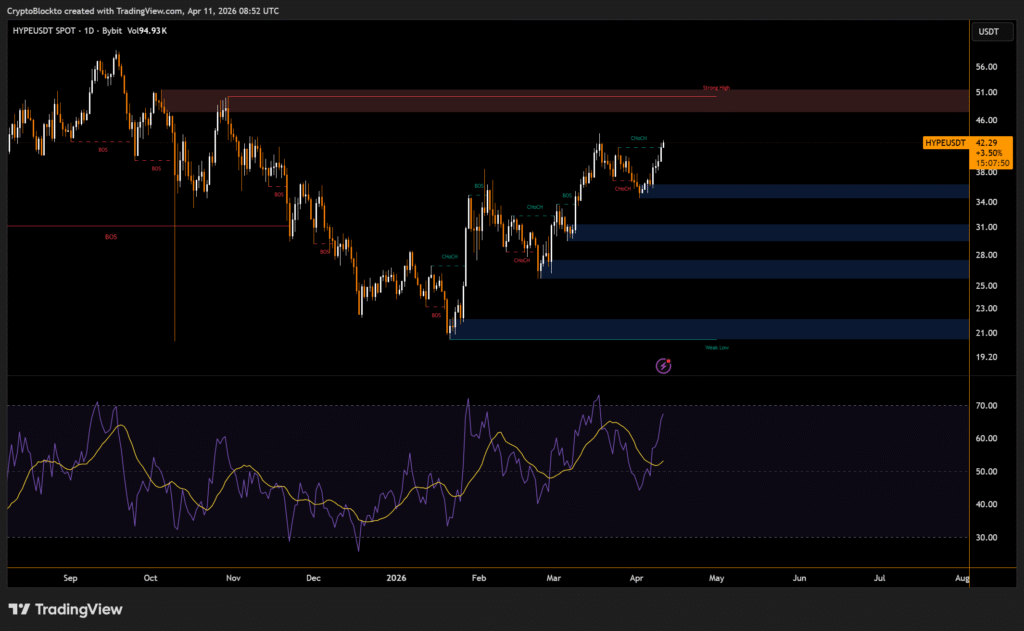
    The Hyperliquid ecosystem has seen strong momentum, with the HYPE token rising significantly over the past year. The protocol has also entered the top tier of global derivatives platforms, ranking alongside major exchanges such as Binance and OKX by trading volume.

    $HYPE daily price chart

    Recent data shows Hyperliquid generated nearly $493 billion in Q1 trading volume, placing it close to Coinbase’s derivatives activity. This rapid growth has fueled expectations that demand for regulated investment products tied to the platform could continue to increase.

    Disclaimer

    This content is for informational purposes only and does not constitute financial, investment, or legal advice. Cryptocurrency trading involves risk and may result in financial loss.
  • US–Iran Negotiators Arrive in Pakistan for High-Stakes Peace Talks as Regional Tensions Expand

    US–Iran Negotiators Arrive in Pakistan for High-Stakes Peace Talks as Regional Tensions Expand

    Diplomatic delegations from Iran and the United States have arrived in Pakistan ahead of new peace talks aimed at easing escalating regional tensions. The discussions come amid ongoing uncertainty over a fragile ceasefire framework and broader Middle East security concerns.

    Trust Deficit Shapes Early Negotiation Atmosphere

    Iran’s delegation leader Mohammad Bagher Ghalibaf stated that while negotiators approach talks with “good intentions,” there remains a deep lack of trust toward the United States. On the US side, JD Vance has warned that Washington will not respond positively if Tehran attempts to manipulate or delay negotiations.

    The talks are considered one of the most sensitive diplomatic tests of Vance’s vice-presidential role, with analysts noting limited upside and significant political risk if discussions fail to produce progress.

    Key Issues Include Ceasefire Scope and Regional Coverage

    A central point of contention is whether the proposed ceasefire framework should include Lebanon, as regional spillover continues to affect broader stability. Lebanese officials are also preparing for separate discussions with an Israeli delegation in Washington next week, indicating parallel diplomatic channels.

    While details of the Pakistan-hosted talks remain limited, the broader diplomatic landscape reflects overlapping negotiations involving multiple actors. The situation highlights ongoing efforts to stabilize conflict zones while balancing competing geopolitical interests across the Middle East and South Asia.

    Disclaimer

    This content is for informational purposes only and does not constitute financial, investment, or legal advice. Cryptocurrency trading involves risk and may result in financial loss.